Ultimate Guide to Restless Leg Syndrome Symptoms and Vascular Medicine Solutions

Restless Leg Syndrome (RLS), also known as Willis-Ekbom disease, is a neurological disorder characterized by an uncontrollable urge to move the legs, typically accompanied by uncomfortable sensations. This condition can significantly impact sleep quality, daily functioning, and overall well-being. Recognizing the restless leg syndrome symptoms is essential for effective diagnosis and management, especially when considering vascular health's role in this condition.
Understanding Restless Leg Syndrome: An In-Depth Overview
Restless Leg Syndrome is often misunderstood or overlooked due to its complex presentation. It primarily affects individuals during periods of rest or inactivity, especially in the evening or at night. The sensations associated with RLS are often described as crawling, tingling, pulling, or aching, which compel sufferers to move their legs for relief. While the exact cause remains elusive in many cases, emerging research points to a strong connection between vascular health and the manifestation of RLS symptoms.
Key Restless Leg Syndrome Symptoms: Recognizing the Signs
Accurate identification of restless leg syndrome symptoms is foundational for early intervention. These symptoms tend to manifest in a consistent pattern, but their intensity and presentation may vary among individuals. Here are the primary symptoms to watch for:
- Uncomfortable leg sensations: Often described as crawling, tingling, or burning feelings that begin deep within the limbs.
- Urge to move: An irresistible desire to move the legs, especially during periods of rest or inactivity.
- Relief with movement: Temporary alleviation of symptoms upon moving, such as walking, stretching, or shaking the legs.
- Worsening symptoms in the evening or at night: RLS symptoms are typically more intense during evening hours, leading to sleep disturbances.
- Difficulty sleeping: Disrupted sleep patterns due to persistent urge to move and uncomfortable sensations, resulting in fatigue and reduced quality of life.
- Periodic limb movements: Involuntary jerking or twitching movements during sleep, often linked with more severe RLS cases.
- Exacerbation with stress or caffeine: Increased symptoms in stressful situations or after caffeine intake.
Differentiating RLS Symptoms from Other Conditions
It is crucial to distinguish restless leg syndrome symptoms from other neurological or musculoskeletal issues like peripheral neuropathy or nocturnal cramps. While overlapping features exist, RLS is unique due to its urge-to-move component and symptom relief with movement. Accurate diagnosis often involves clinical evaluation, sleep studies, and sometimes vascular assessments to determine underlying causes.
The Link Between Vascular Health and Restless Leg Syndrome
Recent studies underscore the significant role that vascular health plays in the development and severity of restless leg syndrome symptoms. Conditions such as peripheral artery disease (PAD), venous insufficiency, and other circulatory disorders can impair blood flow, leading to tissue hypoxia and nerve irritability, which manifest as symptoms of RLS.
At Truffle Vein Specialists, experts in Vascular Medicine, understand that addressing vascular issues can dramatically reduce the severity of RLS symptoms. Improved blood circulation promotes nerve health and tissue oxygenation, alleviating discomfort and restoring restful sleep for patients.
Comprehensive Diagnosis and Evaluation
Proper diagnosis of RLS involves a detailed medical history, physical examination, and diagnostic tests. Vascular assessment is often critical in patients with persistent or severe symptoms, especially when vascular conditions are suspected. Diagnostic procedures include:
- Doppler Ultrasound: Evaluates blood flow in leg veins and arteries, identifying blockages or insufficiencies.
- Ankle-Brachial Index (ABI): Measures arterial blood flow to detect peripheral artery disease.
- Venous Doppler Studies: Detects venous reflux or insufficiency contributing to symptoms.
- Sleep Studies: Monitors limb movements and sleep quality to correlate symptoms with sleep disturbances.
Effective Treatment Approaches for RLS and Vascular Issues
Treating restless leg syndrome symptoms requires a comprehensive approach that targets both neurological and vascular factors. Here are some of the most effective interventions:
1. Lifestyle Modifications
- Establish a regular sleep routine to improve sleep quality.
- Engage in moderate exercise, such as walking or swimming, to enhance circulation.
- Avoid caffeine, alcohol, and nicotine, which can worsen symptoms.
- Practice relaxation techniques like yoga and meditation to reduce stress.
- Elevate legs during the day and avoid prolonged periods of inactivity.
2. Medical Therapies
- Medications: Dopaminergic agents, gabapentinoids, opioids, and benzodiazepines are prescribed based on symptom severity and underlying causes.
- Vascular Treatments: Procedures such as vein ablation, angioplasty, or bypass surgeries can restore optimal blood flow and significantly diminish RLS symptoms linked to vascular insufficiencies.
- Iron Supplementation: In cases of iron deficiency, supplementation can improve neurological function and reduce symptom severity.
3. Advanced Vascular Interventions at Truffle Vein Specialists
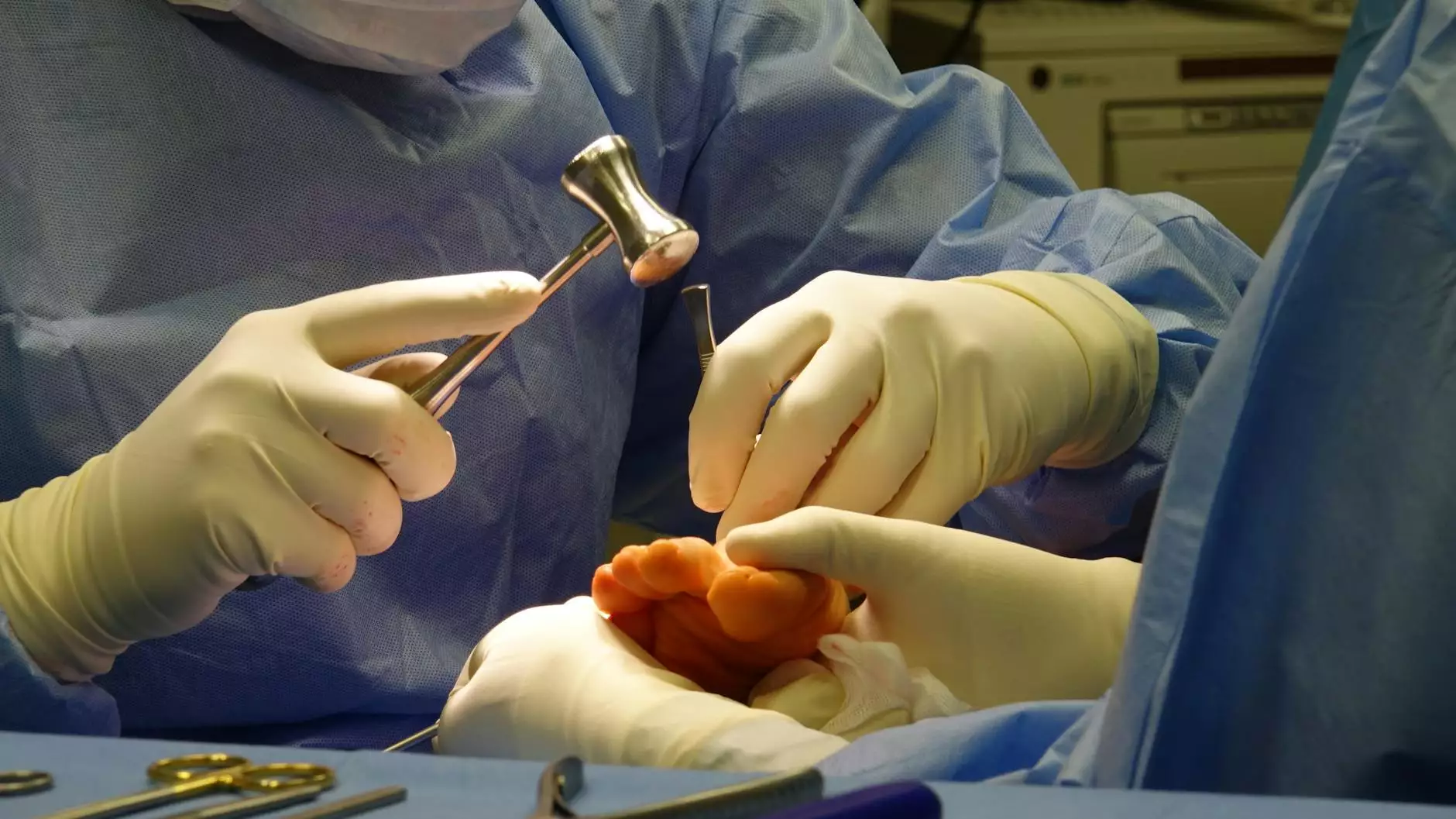
Our expert vascular specialists utilize state-of-the-art diagnostic tools and minimally invasive procedures to address blood flow issues contributing to restlessness. Restoring healthy circulation often leads to remarkable improvement in both sensation and sleep quality, providing lasting relief.
The Importance of Early Intervention
Persistent or worsening restless leg syndrome symptoms should never be ignored. Early diagnosis and targeted treatment can prevent complications, improve quality of life, and reduce the risk of associated vascular diseases. Our team at Truffle Vein Specialists emphasizes comprehensive care that integrates vascular health assessments into RLS management.
Innovations and Future Directions in RLS and Vascular Medicine
Advances in nanotechnology, pharmacology, and minimally invasive vascular techniques promise to revolutionize how we approach restless leg syndrome treatment. Researchers are investigating the role of neurovascular coupling and neural regeneration therapies, aiming for more personalized and effective solutions.
Empowering Patients with Knowledge
Recognizing the symptoms of restless leg syndrome and understanding its connection with vascular health empowers patients to seek appropriate care. Lifestyle adjustments, coupled with expert vascular interventions, can transform lives plagued by nightly discomfort and sleep disturbances. Maintaining open communication with healthcare providers ensures optimal treatment planning tailored to individual needs.
Contact Us for Expert Vascular and Neurological Care
If you or a loved one experience symptoms indicative of RLS, particularly if vascular health issues are suspected, our team at Truffle Vein Specialists is here to help. We combine medical innovation with compassionate patient-centered care to deliver the best outcomes.
Take control of your health today—trust our vascular specialists to provide thorough evaluations and effective treatments for restless leg syndrome and related circulatory conditions.