Maximizing Your Business with Premium Display Equipment
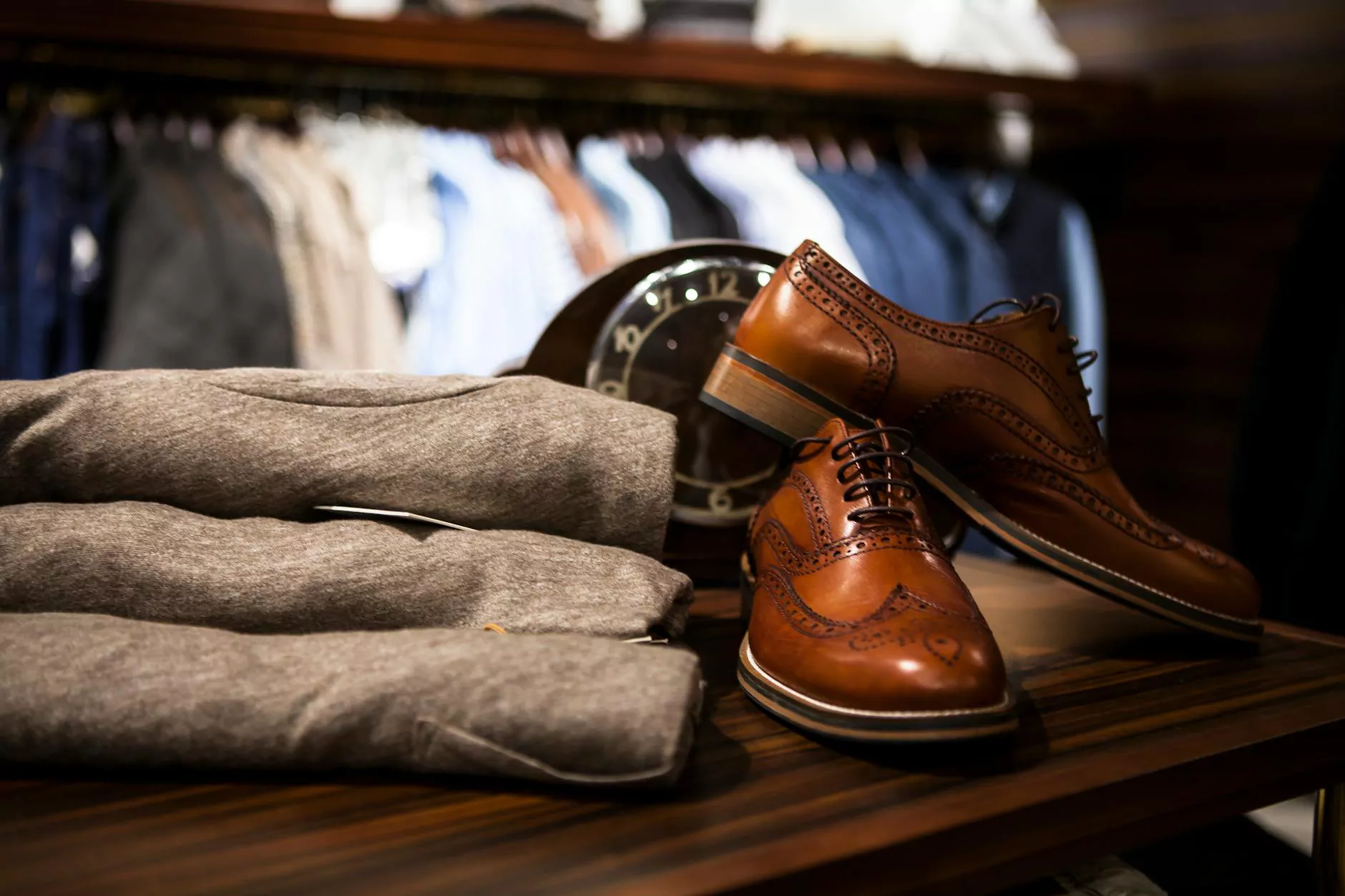
In today's competitive marketplace, businesses must leverage every tool at their disposal to capture customer attention and drive sales. One pivotal aspect of this is the effective use of display equipment. This comprehensive guide will dive deep into the world of display solutions, exploring their types, benefits, and strategies for integrating them into your retail environment. Whether you're a small business or a large retailer, understanding how to utilize display equipment effectively can significantly transform your customer engagement and overall business success.
The Importance of Display Equipment in Retail
Display equipment is often the first point of contact for customers entering a store. The right displays encourage potential buyers to explore products, make informed choices, and ultimately complete purchases. Here are some reasons why display equipment is essential for businesses:
- Enhanced Visibility: Quality display units ensure that your products are seen and accessible, boosting their chances of selling.
- Branding Opportunities: Customized displays can reflect your brand's image, reinforcing identity and values.
- Category Management: Organized displays can help shoppers navigate your offerings efficiently, allowing for better product categorization.
- Seasonal Promotions: Using display equipment, businesses can highlight seasonal items, sales, or limited-time offers effectively.
Types of Display Equipment
There are several types of display equipment that businesses can utilize, each serving unique purposes and catering to various layouts and aesthetic preferences. Understanding the available options is crucial for creating a cohesive and attractive shopping environment. Here are some primary categories:
1. Point of Purchase Displays
Point of Purchase (POP) displays are strategic installations placed near checkout areas to entice impulse purchases. These displays are often used for:
- Snacks and beverages
- Small gadgets and accessories
- Promotional items and discounts
Utilizing POP displays effectively can result in a significant boost in sales, especially for time-sensitive or promotional products. Make sure to design these displays to be eye-catching and easy to understand at a glance.
2. Freestanding Displays
Freestanding displays are versatile options that can be moved around the retail space to highlight different product lines or seasonal items. They come in various materials, including cardboard, wood, and metal. Here are common uses for freestanding displays:
- Showcasing new arrivals
- Creating themed sections
- Encouraging trial of products
The flexibility of freestanding displays allows retailers to be creative with their layouts and marketing efforts.
3. Wall Displays
To maximize space utilization, wall displays are essential. These can come in the form of:
- Shelves
- Hangable racks
- Slatwall panels
Wall displays help organize products in a way that encourages browsing and enhances visibility. By strategically placing products at eye level and utilizing vertical space, retailers can optimize their selling environment.
4. Countertop Displays
Countertop displays are small, often themed units positioned atop counters or tables. They serve dual purposes: displaying relevant products while also aiding in customer engagement. These are perfect for:
- Impulse buys at checkout
- Highlighting promotions or new arrivals
- Small or low-cost items
A well-designed countertop display can captivate attention and boost sales significantly.
5. Display Cases
For high-value items, secure display cases are advisable. They protect products while showcasing them attractively. Display cases are typical for:
- Jewelry and watches
- Electronics
- Collectibles and antiques
With effective lighting and clear organization, display cases can turn browsing into buying.
Benefits of Using Quality Display Equipment
Investing in high-quality display equipment goes beyond aesthetics; it has profound implications for business performance. Here are the top benefits:
1. Improved Customer Experience
Quality displays create a pleasant shopping atmosphere, guiding customers through their buying journey. Effective layouts minimize confusion, making it easier for shoppers to find what they're looking for. A good shopping experience translates to:
- Increased customer satisfaction
- Higher likelihood of repeat visits
- Positive word-of-mouth marketing
2. Increased Sales
Effective displays directly impact sales. By strategically showcasing products, you're likely to see an uplift in both traffic and sales volume. Consider the following:
- Impulse buys can increase by as much as 30% through effective display placement.
- Eye-catching displays can transform foot traffic into meaningful sales.
- A measurable increase in average transaction values through up-selling and cross-selling opportunities.
3. Brand Recognition and Trust
Maintaining a consistent and well-organized display helps to build brand identity. Customers often trust brands that present themselves professionally. This is achievable through:
- Consistent thematic displays.
- High-quality materials and designs that reflect brand style.
- Effective signage to communicate brand values and messages.
Tips for Choosing the Right Display Equipment
When it comes to selecting display equipment for your business, certain factors must be considered to ensure successful implementation. Here are some essential tips:
1. Know Your Audience
Understanding your target market is crucial. Different demographic groups respond to various display styles. Conduct market research to discover:
- Their shopping preferences.
- Key purchase motivators.
- Desired aesthetics.
2. Consider Store Layout
The layout of your retail space plays a significant role in display equipment selection. Small stores may benefit from compact and multifunctional displays, whereas larger spaces can accommodate more elaborate setups. Always keep in mind:
- Traffic flow for customers.
- Space utilization to avoid clutter.
- Accessibility for both customers and staff.
3. Prioritize Quality and Durability
Investing in quality display equipment pays off in the long term. Durable materials and construction ensure that displays withstand daily wear and tear. Consider:
- Material types suited for your environment.
- Weight capacity for freestanding units.
- Ease of assembly and disassembly for versatility.
4. Maintain Visual Appeal
Displays must stand out. Well-designed and creatively executed displays are more likely to capture attention. Things to focus on:
- Color schemes that align with your brand.
- Well-lit areas to highlight key products.
- Use of textures and materials that attract the eye.
5. Adapt and Evolve
Retail trends change frequently, so it's essential to keep your display strategies fresh. Regularly assess your equipment to:
- Determine what works and what doesn’t.
- Evolve with your customer preferences.
- Incorporate new styles or themes to keep the store dynamic.
Conclusion
In a world where retail competition continues to escalate, the effective use of display equipment is a key differentiator for businesses. By selecting the right types of displays, ensuring their quality, and strategically positioning them within your space, you can significantly enhance customer engagement and drive sales.
The future of shopping relies heavily on the customer experience, and premium display equipment is at the forefront of creating that experience. With the information presented in this article, you're now better equipped to make informed decisions that boost your business's visibility and profitability.
For more insights into shopping supplies and to enhance your retail strategy, explore more articles at everymaterial.com.
display equipments