Understanding Hysteroscopy Clinics: A Comprehensive Guide
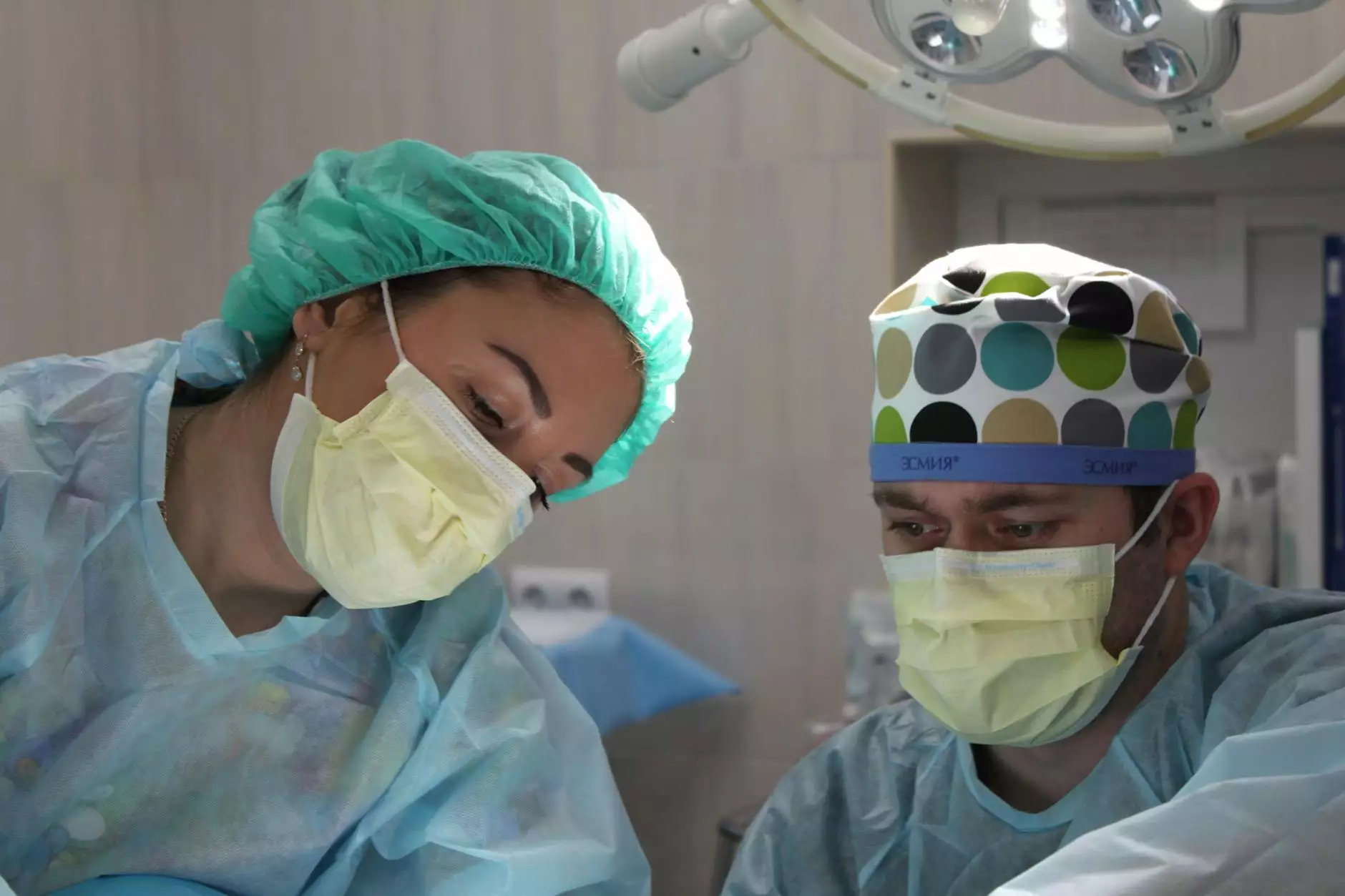
Hysteroscopy clinics are specialized facilities dedicated to diagnosing and treating women’s reproductive health issues through minimally invasive procedures. Understanding their significance, services, and the advancements in hysteroscopic technology can empower women to make informed decisions regarding their health. In this article, we will delve into the role of hysteroscopy in modern gynecology, the benefits and procedures offered at such clinics, and how they contribute to overall women's health.
What is Hysteroscopy?
Hysteroscopy is a medical procedure that allows healthcare providers to observe the inside of the uterus using a hysteroscope, which is a thin, lighted tube equipped with a camera. This minimally invasive procedure is typically performed in a hysteroscopy clinic by certified gynecologists who specialize in reproductive health. Hysteroscopy can be diagnostic or operative, depending on the needs of the patient.
Diagnostic Hysteroscopy
Diagnostic hysteroscopy is performed to examine the uterine cavity for abnormalities such as:
- Uterine fibroids
- Polyps
- Endometrial tissue abnormalities
- Intrauterine scarring (Asherman's syndrome)
- Uterine malformations
This procedure is usually performed in an outpatient setting and allows the gynecologist to see the uterine lining in real-time, providing valuable diagnostic information.
Operative Hysteroscopy
Operative hysteroscopy is a more advanced procedure that not only diagnoses conditions but also enables the physician to treat certain uterine issues. Some common treatments performed during operative hysteroscopy include:
- Removal of fibroids
- Polypectomy (removal of polyps)
- Endometrial ablation (destroying the endometrial lining)
- Septum resection (removing a septum that divides the uterine cavity)
This approach minimizes recovery time and can lead to quicker diagnosis and treatment compared to traditional surgical methods.
Benefits of Visiting a Hysteroscopy Clinic
Choosing to visit a hysteroscopy clinic offers numerous advantages for women seeking solutions for reproductive health issues:
Minimally Invasive Procedure
One of the major benefits of hysteroscopy is that it is a minimally invasive procedure. This is significant as it often results in less pain, reduced bleeding, and a quicker recovery time compared to open surgery.
Enhanced Visualization
With the advanced imaging technology used in hysteroscopy, doctors have enhanced visualization of the uterine cavity. This enables precise diagnoses and targeted treatments, improving overall patient outcomes.
Outpatient Procedure
Most hysteroscopic procedures are performed on an outpatient basis, meaning that patients can return home the same day. This convenience allows women to receive care without the need for hospital admission, reducing stress and increasing accessibility to treatment.
High Success Rates
The success rates for procedures performed in a hysteroscopy clinic are notably high. Most women experience significant relief from symptoms such as abnormal bleeding or infertility after undergoing hysteroscopic surgery, making it a vital option in women's health care.
What to Expect at a Hysteroscopy Clinic
When visiting a hysteroscopy clinic, patients can expect a thorough and compassionate approach to their healthcare. Here’s what typically happens during a visit:
Consultation
Initial consultations involve a detailed discussion of the patient's symptoms, medical history, and any previous treatments. The gynecologist will explain the hysteroscopy procedure, discuss any potential risks, and answer any questions.
Pre-operative Preparation
Before scheduling a hysteroscopy, the doctor may recommend certain pre-operative tests to ensure that the patient is a suitable candidate. This may include:
- Pelvic exams
- Ultrasound examinations
- Blood tests
The Day of the Procedure
On the day of the procedure, patients are typically asked to arrive early. Here’s the general process:
- Check-in and preparation for the procedure.
- Administration of anesthesia (local or general, depending on the case).
- Insertion of the hysteroscope through the cervix into the uterus.
- Real-time examination and, if necessary, immediate treatment.
Post-Procedure Care
After the procedure, patients are usually monitored for a short period. They may experience mild cramping or spotting, which is generally normal. Detailed aftercare instructions will be provided to ensure a smooth recovery.
Choosing the Right Hysteroscopy Clinic
Selecting a suitable hysteroscopy clinic can significantly impact the quality of care received. Here are some factors to consider:
Qualified Staff
Ensure that the clinic is staffed by qualified and board-certified gynecologists who specialize in hysteroscopic procedures. Check their credentials and experience to ensure you are in capable hands.
State-of-the-Art Technology
Look for clinics that utilize the latest technology in diagnostic and operative hysteroscopy. Advanced equipment can lead to more accurate diagnoses and successful treatments.
Patient Reviews and Outcomes
Research patient reviews and testimonials for insights into the experiences of women who have undergone procedures at the clinic. High patient satisfaction and positive outcomes are indicative of a trustworthy facility.
Personalized Care
A clinic that prioritizes personalized care and takes the time to address your unique concerns and questions will likely offer a better experience. Look for a supportive environment where patient comfort is taken seriously.
Conclusion
In summary, hysteroscopy clinics play a vital role in diagnosing and treating women’s reproductive health issues through innovative and minimally invasive procedures. Understanding the benefits, what to expect, and how to choose the right clinic is crucial for women seeking relief from various health concerns. If you are experiencing symptoms or have questions about your reproductive health, don’t hesitate to reach out to a qualified specialist, such as those found at Dr. Seckin’s clinic, to explore your options and prioritize your health.
Taking proactive steps towards your health can not only improve your reproductive well-being but also enhance your overall quality of life.