Understanding Risk-Reducing Salpingo-Oophorectomy
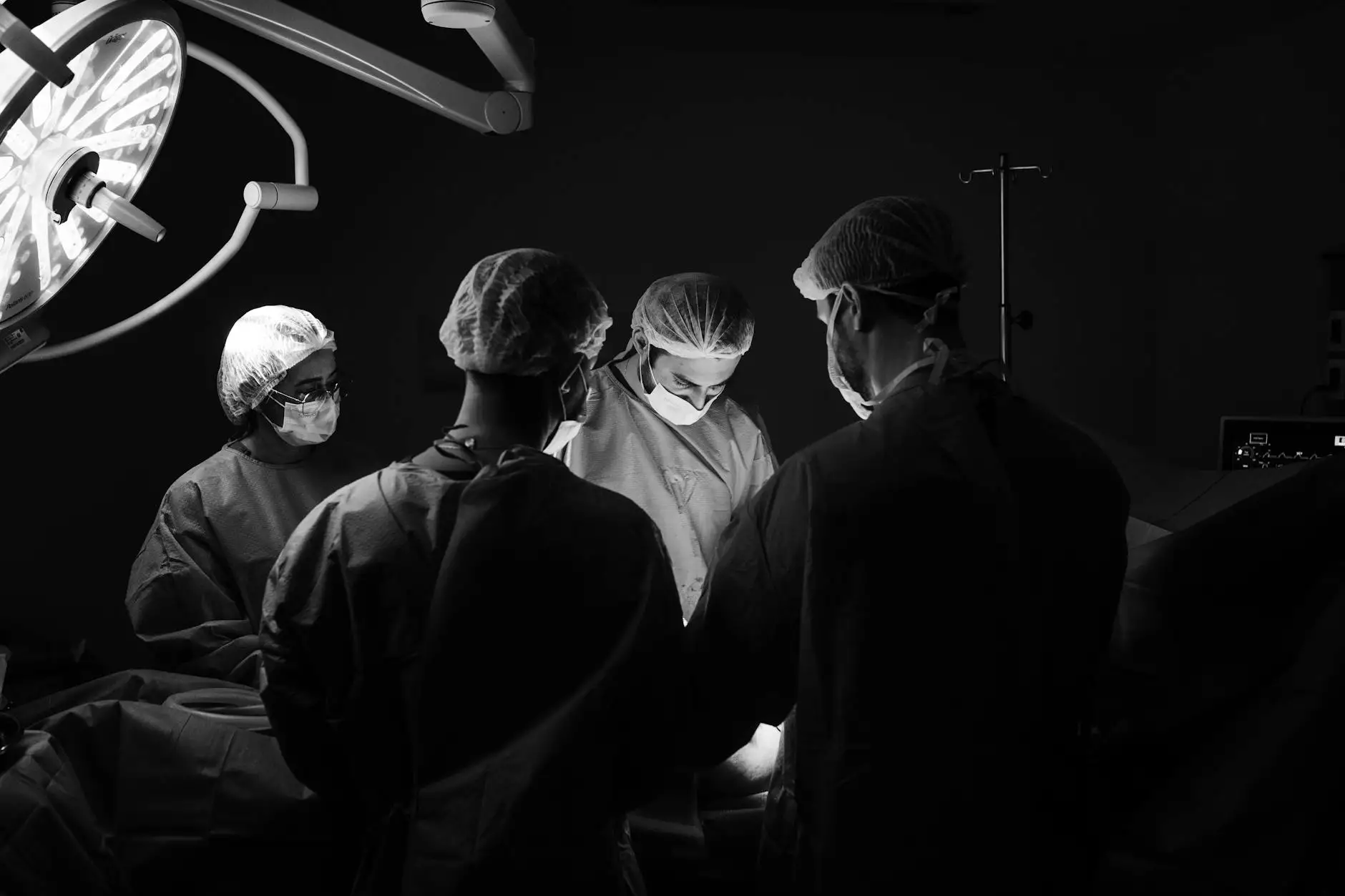
Risk-reducing salpingo-oophorectomy is a surgical procedure that has garnered significant attention in recent years, particularly for its role in cancer prevention among women with elevated genetic risks. This comprehensive article delves into the intricacies of the procedure, its benefits, implications, and its significance in women's health.
What is Risk-Reducing Salpingo-Oophorectomy?
Risk-reducing salpingo-oophorectomy involves the surgical removal of both ovaries and fallopian tubes. The primary intention of this procedure is to drastically decrease the chances of developing certain types of cancers, notably ovarian and breast cancers, especially in women who possess genetic mutations such as BRCA1 or BRCA2. Understanding this procedure is crucial as it may not only save lives but also improve the quality of life for many women.
Why Consider Risk-Reducing Salpingo-Oophorectomy?
High-Risk Factors
Women with a family history of ovarian or breast cancer often find themselves in a challenging position when it comes to their health decisions. If a woman tests positive for inherited mutations, she faces a significantly higher risk—up to 44% for ovarian cancer and 72% for breast cancer according to current studies. Consequently, opting for a risk-reducing salpingo-oophorectomy may be a serious consideration.
Understanding Genetic Testing
Genetic testing can provide vital insights into a woman's risk factors. Identifying a mutation can empower women with information, enabling informed decision-making regarding their health. The prospect of developing cancer can be daunting, but understanding risk-reducing salpingo-oophorectomy as a preventative measure offers hope for many.
The Procedure: What to Expect
Pre-operative Considerations
The journey towards a risk-reducing salpingo-oophorectomy begins with a thorough consultation with a healthcare provider. This discussion typically involves:
- Medical History Review: Evaluating any personal or family history of cancer.
- Genetic Counseling: Meeting with a genetic counselor to understand the risks and benefits of genetic testing.
- Discussion of Options: Exploring the implications of surgery versus ongoing surveillance.
During the Surgery
The surgical procedure is performed under general anesthesia and typically takes 1-2 hours. The surgeon may opt for a laparoscopic technique, which utilizes small incisions, resulting in shorter recovery times and reduced post-operative pain. Key components of the surgery include:
- Removal of Ovaries: The ovaries are extracted to eliminate the primary source of egg cells and hormones that may fuel cancer development.
- Removal of Fallopian Tubes: The fallopian tubes are removed as they are potential pathways for cancer to spread.
- Pathological Examination: Tissue samples may be sent for analysis to check for any undetected cancerous cells.
Post-Operative Care and Considerations
Recovery Process
Post-surgery, patients are monitored for any complications. Recovery can vary, but most women can expect:
- Short Hospital Stay: Many patients are discharged within 1-3 days, depending on their individual health status and the surgical approach taken.
- Rest and Recuperation: It's essential to take adequate time off work or daily activities to allow the body to heal.
- Emotional Support: Many women find it necessary to seek counseling or join support groups to handle the emotional impacts of the surgery.
Long-Term Effects
Removing the ovaries induces menopause, which can lead to various symptoms such as hot flashes, mood swings, and potential long-term health implications like osteoporosis. Ongoing discussions with healthcare providers are essential to manage these effects effectively:
- Hormone Replacement Therapy (HRT): Some women may choose to undergo HRT to mitigate menopausal symptoms.
- Regular Health Check-Ups: Monitoring for any long-term health issues following surgery is crucial.
- Emotional Health: Mental well-being should be a priority, and seeking help from professionals can significantly aid in adjustment.
The Impact on Cancer Risk
Studies indicate that a risk-reducing salpingo-oophorectomy can reduce the risk of developing ovarian cancer by approximately 80% and breast cancer by about 50% in women with BRCA mutations. These statistics underscore the importance of considering such procedures for women at high risk as a proactive approach to health management.
Making the Decision
Deciding to undergo risk-reducing salpingo-oophorectomy is profoundly personal. Women must weigh the benefits against the potential side effects and emotional implications. Key factors to consider include:
- Genetic Risk Assessment: The individual's genetic predisposition plays a crucial role in this decision.
- Family Planning: Women considering the procedure should discuss implications for future pregnancies.
- Personal Comfort Level: Understanding one's comfort with the risks of surgery versus the risks of cancer is essential.
Conclusion: Empowering Women's Health Decisions
Risk-reducing salpingo-oophorectomy represents a significant advancement in preventative care for women at high risk for cancer. By understanding the procedure, its implications, and the long-term effects on health and well-being, women can make informed decisions regarding their health.
While the decision can be difficult, the opportunity to significantly reduce cancer risk is an empowering choice. Continuous discussions with healthcare professionals and support systems can provide the necessary guidance and reassurance as one navigates this important health journey.
Consult with Experts
For women considering this surgery, consulting with experienced gynecologists and oncologists is paramount. At drseckin.com, we offer comprehensive care and provide insights into genetic counseling, risk assessments, and the surgical process. Empower your health decisions by reaching out to our dedicated team.
Frequently Asked Questions
Is risk-reducing salpingo-oophorectomy safe?
As with any surgical procedure, there are risks involved. However, for women with high genetic risks, the benefits often outweigh the risks. A thorough discussion with healthcare professionals can help clarify individual risk factors.
What are the emotional impacts of having this surgery?
Many women experience a range of emotions post-surgery, from relief to anxiety. Seeking emotional support and counseling can be beneficial during the adjustment period.
How can I prepare for the surgery?
Preparation involves understanding the procedure, discussing concerns with your healthcare provider, and arranging for support during the recovery phase.
Will I still need regular check-ups after surgery?
Yes, regular health check-ups are essential to monitor overall health and manage any long-term effects of the surgery.
Are there alternatives to this procedure?
For some women at high risk, alternatives such as increased surveillance or medication may be appropriate. Discussing all options with healthcare professionals is crucial.
By staying informed and proactive, women can take charge of their health and reduce cancer risks effectively. The journey may be challenging, but the advantage of making informed decisions can foster empowerment and long-term health benefits.