The Vital Role of a Thoracic Doctor in Modern Medicine
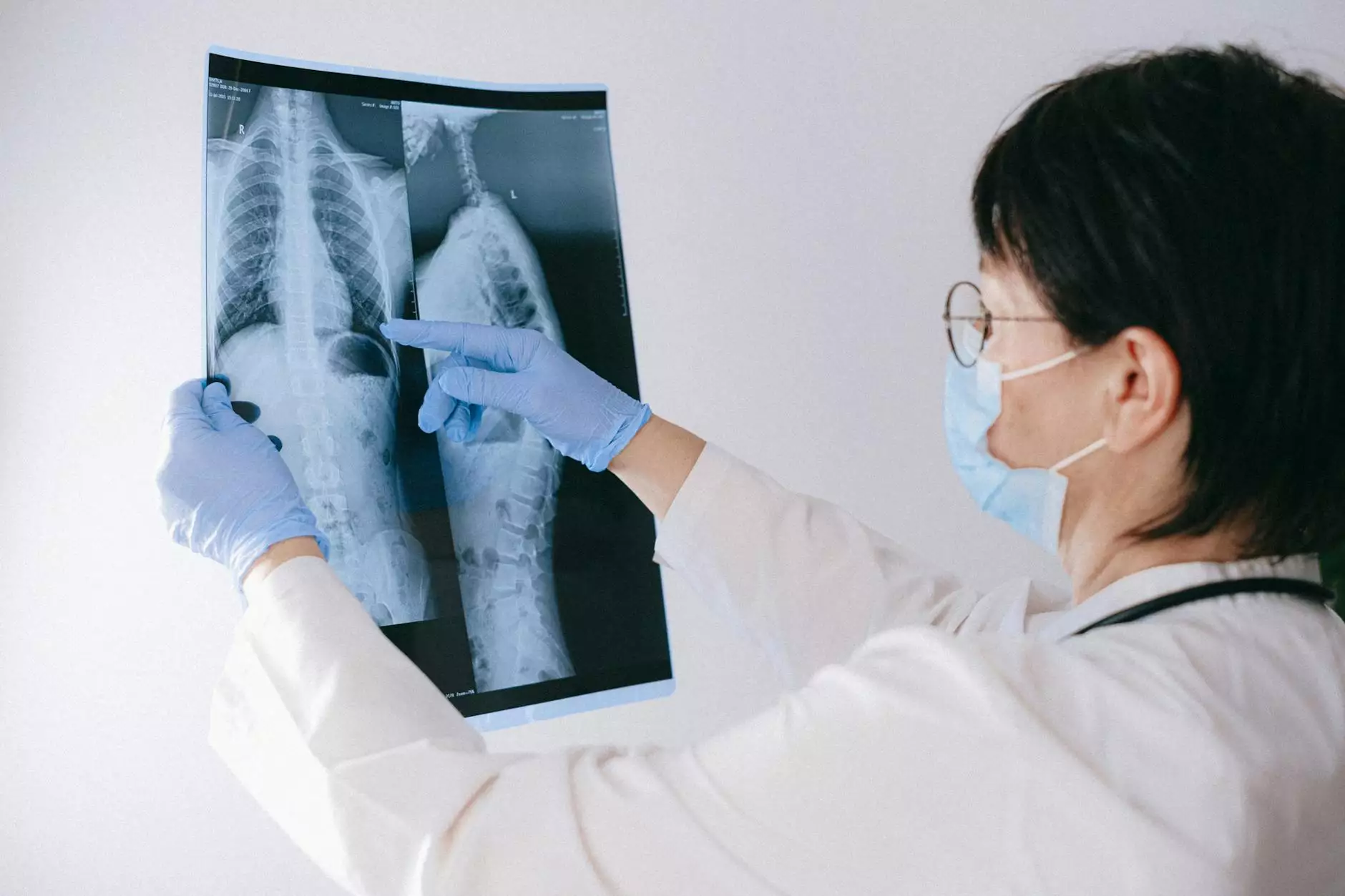
Thoracic doctors, also known as thoracic surgeons, play a crucial role in the health care system by specializing in diseases affecting the chest region, including the heart, lungs, and various organs within the thoracic cavity. Their expertise is pivotal in diagnosing, treating, and managing complex medical conditions. In this article, we will delve deep into the responsibilities, skills, and significance of thoracic doctors, highlighting their contributions to patient care and overall health.
What Does a Thoracic Doctor Do?
A thoracic doctor provides specialized care for a wide array of conditions. Their services range from preventive assessments to complex surgical procedures. Here are some of the key responsibilities:
- Diagnosing Diseases: Thoracic doctors assess patients with respiratory disorders, lung cancer, and cardiovascular diseases. They use advanced imaging tests and diagnostic procedures to identify issues accurately.
- Surgical Interventions: They perform various thoracic surgical procedures, including lung resections, heart surgeries, and treatment of esophageal diseases.
- Postoperative Care: After surgical procedures, thoracic surgeons closely monitor patients, ensuring proper recovery and addressing any complications.
- Collaborative Treatment Plans: They work alongside pulmonologists, oncologists, and other specialists to provide comprehensive treatment plans tailored to each patient's needs.
- Patient Education: Thoracic doctors educate patients about their conditions, treatment options, and the importance of maintaining lung health.
Why Choose a Thoracic Doctor?
Choosing to consult a thoracic doctor is essential for individuals experiencing symptoms related to the thoracic cavity. Here are several reasons why specialized care is important:
1. Expertise in Chest Health
Thoracic doctors undergo extensive training and education focused specifically on the anatomy and diseases of the chest area. Their specialized knowledge enables them to handle complex cases that general practitioners may not effectively manage.
2. Advanced Surgical Techniques
With advancements in medical technology, thoracic doctors are trained in minimally invasive surgical techniques, offering patients shorter recovery times and less postoperative pain compared to traditional surgeries.
3. Comprehensive Care for Serious Conditions
Chest-related diseases such as lung cancer, emphysema, and heart disease require timely and specialized intervention. A thoracic doctor can provide integrated care that encompasses diagnosis, treatment, and ongoing management of these chronic conditions.
Conditions Treated by Thoracic Doctors
Thoracic doctors treat a variety of conditions related to the chest. Here are some common examples:
- Lung Cancer: Early detection and surgical removal of cancerous tumors can significantly impact patient survival rates.
- Pneumonia and Pleural Effusion: These conditions affect lung function and may require drainage procedures or surgery.
- Cardiovascular Diseases: Conditions such as coronary artery disease and heart failures often require surgical interventions.
- Thoracic Outlet Syndrome: This condition involves compression of nerves and blood vessels in the neck, leading to pain and discomfort.
How to Prepare for a Visit to a Thoracic Doctor
Preparation is key to maximizing the benefits of your consultation with a thoracic doctor. Here are steps to ensure you are ready for your appointment:
1. Gather Medical History
Prepare a comprehensive medical history, including any previous surgeries, medications, and family health histories, to discuss with your doctor.
2. List Symptoms
Make a list of symptoms you are experiencing, including their duration and intensity. This will help your doctor understand your condition better.
3. Prepare Questions
Think of questions you may have regarding your symptoms, diagnostic process, and treatment options. Being informed fosters a better doctor-patient relationship.
Advancements in Thoracic Medicine
The field of thoracic medicine is constantly evolving with technology and research leading to innovative treatment methods. Here are some recent advancements:
- Robotic Surgery: The use of robotic systems allows for greater precision in surgical interventions, resulting in minimally invasive procedures with faster recovery times.
- Telemedicine: Virtual consultations are becoming more common, allowing patients to receive expert opinions and follow-up care from the comfort of their homes.
- Targeted Therapies for Cancer: New treatments are under research that targets specific cancer cells while minimizing damage to surrounding healthy tissues.
The Importance of Early Detection
Early detection of chest diseases can significantly improve patient outcomes. Regular screenings and consultations with a thoracic doctor can lead to:
- Better Prognosis: Identifying diseases in their early stages can make treatments more effective.
- Reduced Treatment Complexity: Early interventions often require less intensive treatments, leading to less stress for patients.
- Improved Quality of Life: Addressing issues before they escalate can maintain or improve patients' quality of life.
Conclusion
Thoracic doctors play an indispensable role in the healthcare landscape, contributing to patient well-being through expert diagnosis, sophisticated surgical techniques, and an unwavering commitment to improving health outcomes. Their specialization in chest health means that they are ideally positioned to manage a wide array of complex conditions, ensuring that patients receive the highest standard of care possible.
If you are experiencing symptoms related to your chest health, do not hesitate to consult with a qualified thoracic doctor. Early intervention can make a significant difference in the effectiveness of treatment and your overall health journey.