The Advantages and Functionality of a Dual Clutch Gearbox
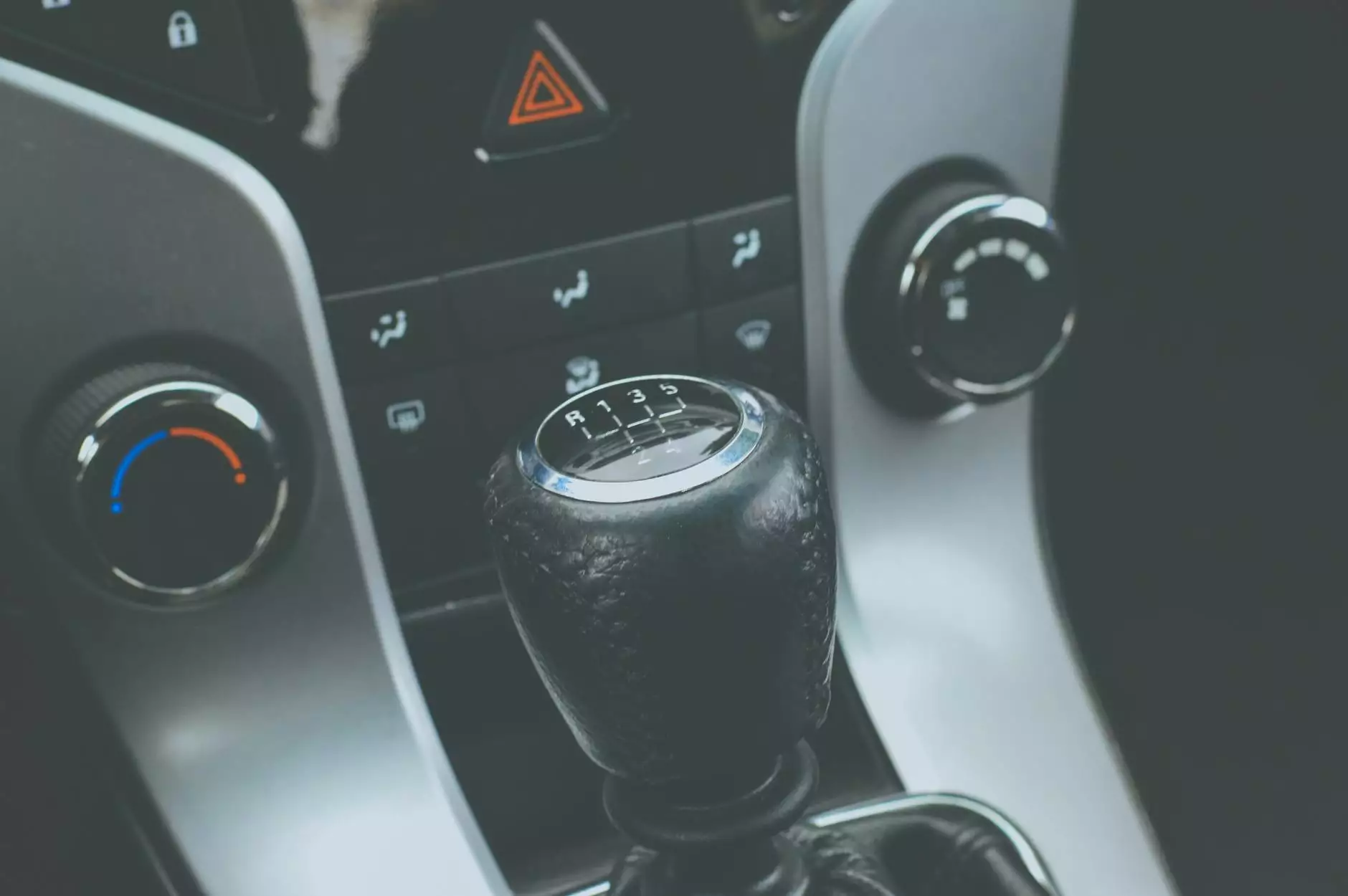
The automotive world is continuously evolving, and at the heart of this evolution lies the importance of gear transmission systems. Among the many innovations in this field, the dual clutch gearbox stands out as a remarkable advancement that not only improves vehicle performance but also enhances driving pleasure. In this comprehensive article, we will explore the mechanics, advantages, and future trends associated with the dual clutch gearbox, making it a vital part of modern automobile engineering.
What is a Dual Clutch Gearbox?
A dual clutch gearbox (often abbreviated as DCT) is a type of transmission that utilizes two separate clutches for odd and even gears. This innovative design allows for faster gear changes and improved engine efficiency. Unlike traditional automatic transmissions, which may experience a slight delay during shifts, the DCT system pre-selects the next gear, leading to seamless and quick transitions.
How Does a Dual Clutch Gearbox Work?
The Mechanism Behind the Magic
The basic working principle of a dual clutch gearbox revolves around two clutches and two input shafts, enabling the system to work in a manner similar to a manual transmission but with automated control. Here’s how it functions:
- Clutch A and Clutch B: Clutch A is responsible for engaging the odd gears (1st, 3rd, and 5th), while Clutch B engages the even gears (2nd, 4th, and 6th).
- Shift Control: When the driver accelerates, the DCT anticipates the need for a shift. As the vehicle reaches optimal power, the gearbox activates Clutch B, releasing Clutch A.
- Pre-selection: While one clutch is engaged, the other one is already pre-selecting the next gear, allowing for instantaneous shifts.
The Benefits of Smooth Gear Shifts
This efficient mechanism significantly reduces the time taken for gear changes, rendering a smoother ride with enhanced performance. The quick and seamless shifts contribute to a more responsive driving experience, making DCTs popular in high-performance vehicles and sports cars.
Advantages of a Dual Clutch Gearbox
1. Enhanced Performance
The primary advantage of using a dual clutch gearbox is its ability to deliver outstanding performance. Shifts occur in milliseconds, which enables the engine to maintain power without interruption. As a result, the vehicle accelerates faster and performs better in various driving conditions, including steep inclines and high-speed roads.
2. Improved Fuel Efficiency
By optimizing the shift points and ensuring that gears are engaged at the ideal engine speeds, DCTs can enhance overall fuel efficiency. This efficiency means that drivers can enjoy better mileage, which is paramount in today’s environmentally conscious world.
3. Enhanced Driver Control
Modern dual clutch gearboxes often come equipped with different driving modes, including manual mode. This feature allows drivers to exert greater control over their vehicle's performance, catering to both daily commutes and spirited driving experiences.
4. Reduced Weight
Compared to traditional automatic transmissions, DCTs tend to be lighter due to their simpler design, which eliminates the need for a conventional torque converter. This weight reduction further contributes to improved fuel efficiency and enhanced vehicle dynamics.
5. Reliability and Durability
Despite their complex nature, dual clutch gearboxes are generally designed for longevity. The less frequent shifting and minimized wear on components lead to reduced maintenance costs over time.
Applications of Dual Clutch Gearboxes
While initially popularized by high-performance sports cars, the use of dual clutch gearboxes has expanded across various automotive categories:
- Sports Cars: Brands like Volkswagen and BMW have successfully implemented DCTs to enhance the performance of their sports models.
- Luxury Vehicles: Many high-end luxury automobiles now offer DCTs as standard, delivering outstanding comfort and performance.
- Everyday Vehicles: With advancements in technology, more manufacturers are incorporating dual clutch gearboxes in everyday vehicles, providing efficiency and performance to the average driver.
Challenges and Considerations
1. Initial Cost
One of the notable drawbacks of dual clutch gearboxes is the higher manufacturing cost compared to traditional automatic transmissions. This factor can sometimes lead to increased vehicle prices.
2. Learning Curve
Although DCTs are designed for ease of use, drivers accustomed to regular automatic transmissions may require a bit of time to adapt to the unique driving experience of a dual clutch system.
Future Trends in Dual Clutch Technology
As automotive technology continues to advance, the future of dual clutch gearboxes looks promising:
- Integration with Electric Vehicles: With the rise of electric vehicles, DCTs may be adapted to work in conjunction with electric powertrains, enhancing quick acceleration.
- Smart Gear Shifting: Future DCTs are expected to incorporate AI-driven gear shifting systems that adapt to driver behavior and road conditions, further improving performance and efficiency.
Conclusion
The dual clutch gearbox represents a significant advancement in automotive transmission technology, offering a seamless blend of performance, efficiency, and driver control. As more car manufacturers embrace this technology, it is poised to redefine driving experiences across various vehicle segments. Whether you’re a car enthusiast or an everyday driver, understanding this innovative transmission can help you appreciate the advancements in automotive engineering.
Explore More with Shenghai Auto Parts
If you're looking for high-quality automotive parts and supplies, including components related to dual clutch gearboxes, Shenghai Auto Parts offers an extensive selection tailored to meet your needs. Trust in our expertise for reliable auto parts that ensure your vehicle performs optimally.