Revolutionizing Automotive Comfort: The Comprehensive Guide to HVAC Systems
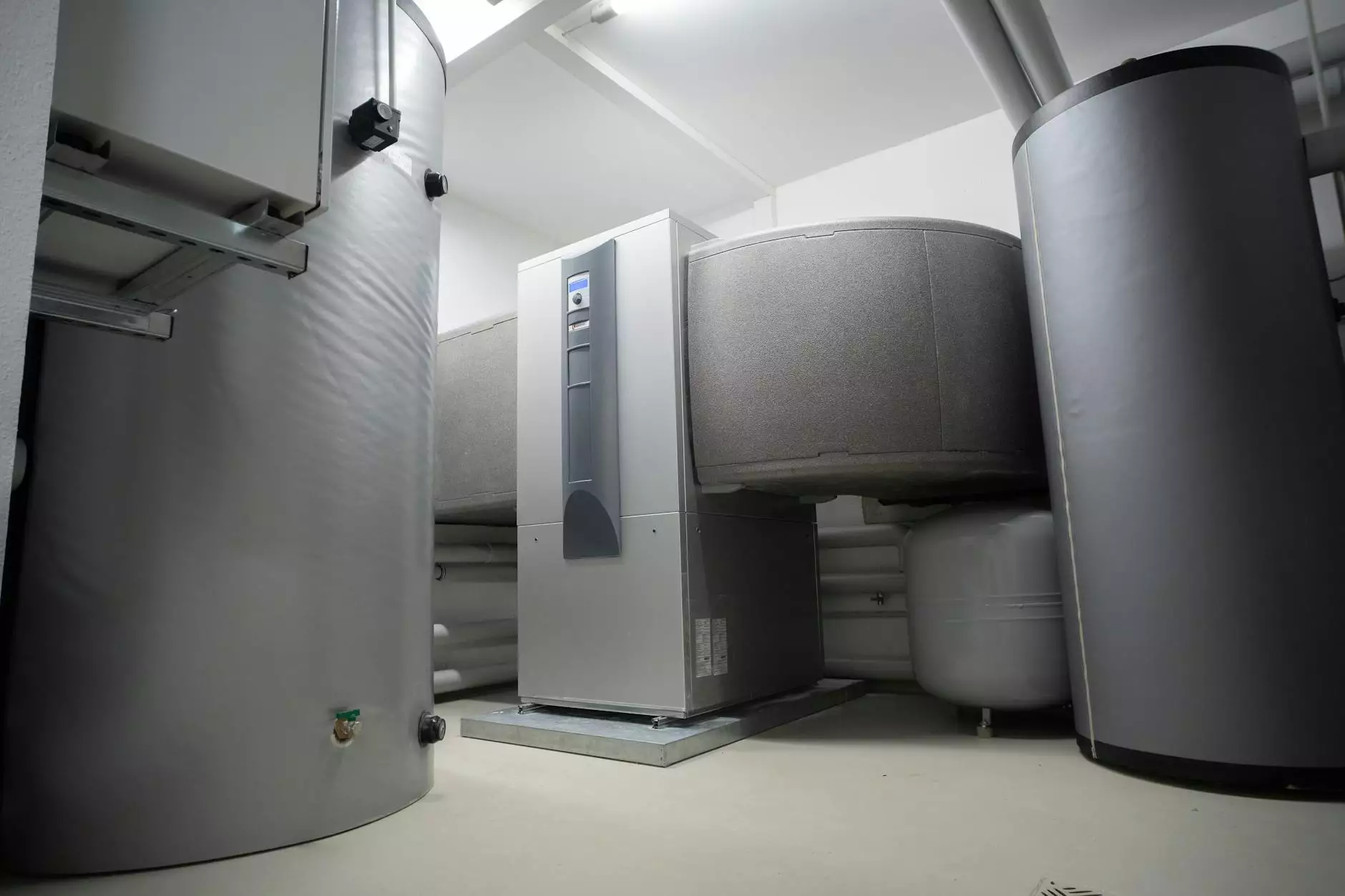
The automotive industry is evolving with a focus on comfort, energy efficiency, and advanced technology. One vital component that enhances the driving experience is the HVAC system. In this article, we will explore the intricacies of the sistem hvac, its significance in vehicles, and how it can be optimized for performance.
Understanding HVAC Systems in Automotive Context
The term HVAC stands for Heating, Ventilation, and Air Conditioning. In automotive applications, these systems play a critical role in maintaining an optimum internal climate for both drivers and passengers. A well-designed sistem hvac is essential for ensuring that vehicles are comfortable, efficient, and safe.
Components of Automotive HVAC Systems
A modern automotive HVAC system consists of several key components that work together to regulate temperature and air quality inside the vehicle:
- Compressor: This component circulates refrigerant through the system and is important for maintaining cooling.
- Evaporator: Located inside the cabin, the evaporator cools the air by absorbing heat and moisture.
- Condenser: This part dissipates heat from the refrigerant when the vehicle is in motion.
- Expansion Valve: This device regulates the flow of refrigerant into the evaporator based on the temperature needs.
- Blower Motor: The blower motor pushes air through the system and into the vehicle's cabin.
- Air Filters: These keep the air inside the vehicle clean by filtering out dust and other particulates.
The Importance of Energy Efficiency in HVAC Systems
One of the notable trends in the automotive industry is the push towards energy efficiency. Consumers today are more eco-conscious and are looking for vehicles that not only perform well but also minimize environmental impact. Here’s how energy efficiency can be achieved:
1. Optimized System Design
Designing a sistem hvac that integrates seamlessly with the vehicle’s overall architecture is crucial. Engineers use computer-aided design (CAD) tools to simulate airflow and temperature distribution, ensuring the system operates at peak efficiency.
2. Advanced Refrigerants
Utilizing low-global warming potential (GWP) refrigerants can significantly enhance the environmental friendliness of automotive HVAC systems. Progress towards adopting HFO-1234yf in place of older refrigerants like R-134a demonstrates the industry’s commitment to sustainability.
3. Variable Speed Compressors
Modern automotive HVAC systems often include variable speed compressors that adjust their output based on the cooling or heating requirements. This feature not only improves efficiency but also enhances passenger comfort by reducing temperature fluctuations.
Maintenance of HVAC Systems
To ensure optimal performance, regular maintenance of the sistem hvac is essential. Here are key maintenance practices:
1. Regular Filter Replacement
Replacing air filters every 12,000 to 15,000 miles ensures clean air circulation and protects the HVAC components from dirt and debris.
2. Checking Refrigerant Levels
It’s vital to check refrigerant levels periodically. Low refrigerant can indicate leaks, which can lead to inefficient cooling and potentially damage the compressor.
3. System Flushing
Flushing the HVAC system helps remove contaminants and ensures the longevity of the system. This should be done as needed, typically every few years.
Emerging Technologies in Automotive HVAC
As technology advances, so do the capabilities of HVAC systems in vehicles. Some emerging technologies include:
1. Smart Climate Control Systems
Integration with smart technologies allows for features such as auto climate control that personalizes the temperature settings based on individual preferences.
2. Use of Heat Pump Technology
Heat pumps are becoming increasingly common in electric vehicles, providing both heating and cooling by transferring heat in and out of the vehicle.
3. Cabin Air Quality Sensors
These sensors automatically detect changes in air quality and adjust the system to maintain a healthy environment within the cabin.
Conclusion: The Future of Automotive HVAC Systems
The future of automotive HVAC systems is bright, with technologies that promise enhanced comfort and sustainability. Manufacturers and consumers alike are placing greater importance on energy efficiency and environmental responsibility, making the sistem hvac an essential area of innovation. Investing in a well-designed HVAC system is not just about comfort—it’s about making strides towards a greener tomorrow.
FAQs about Automotive HVAC Systems
1. What does HVAC stand for?
HVAC stands for Heating, Ventilation, and Air Conditioning.
2. Why is HVAC important in vehicles?
It ensures comfort by regulating the temperature and air quality inside the vehicle.
3. How often should HVAC systems be maintained?
Regular maintenance is recommended every six months to a year.
Contact Us
For more information about optimizing your automotive HVAC systems, visit our website at coldteknik.com.tr or reach out to us directly.