CT Scan Teeth: Revolutionizing Dental Imaging
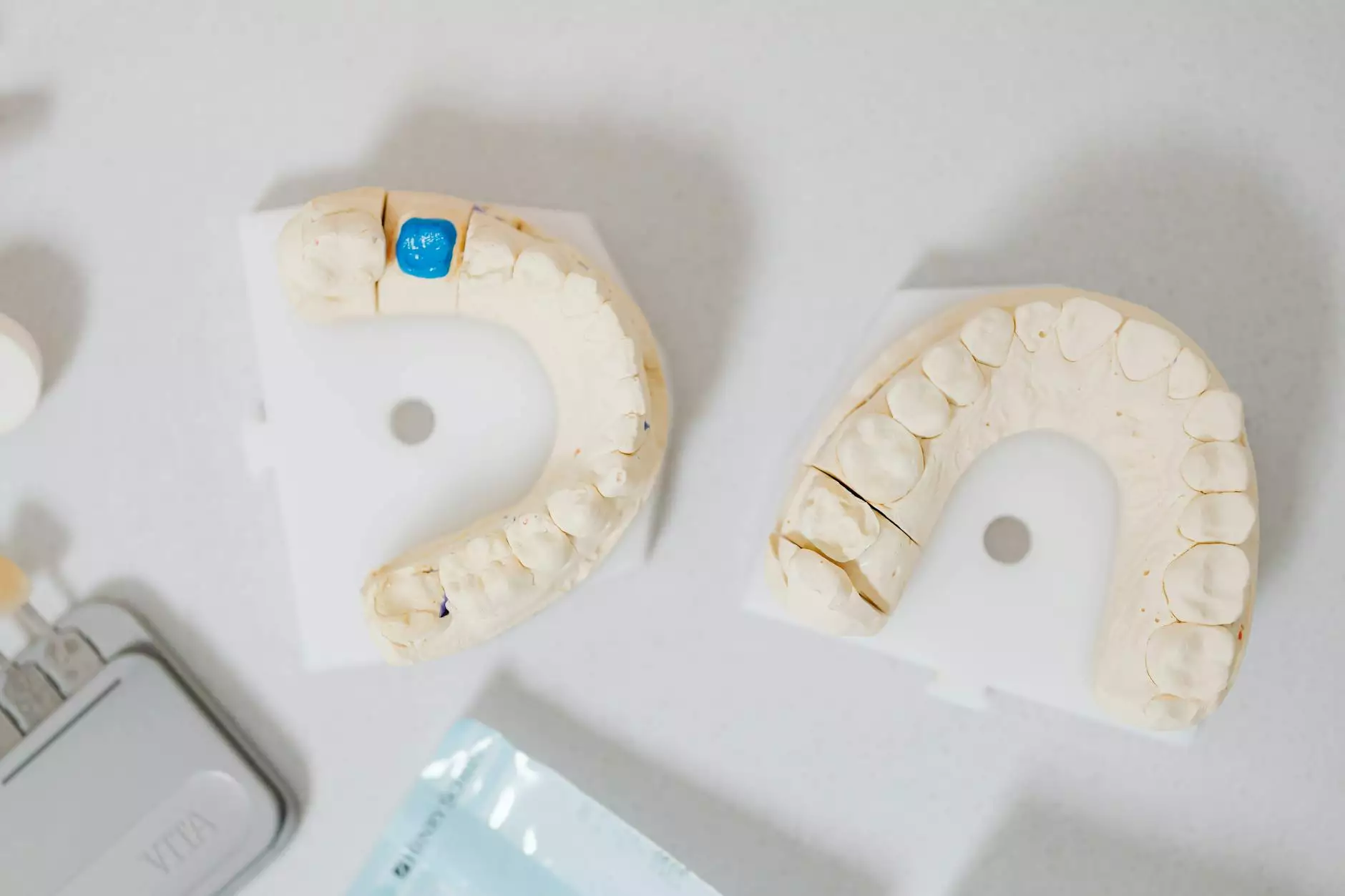
In the realm of modern dentistry, technology plays a pivotal role in ensuring effective diagnosis and treatment for patients. One of the most significant advancements in dental imaging is the CT scan for teeth, which provides detailed, three-dimensional views of the dental structure. This sophisticated imaging technique not only enhances the accuracy of diagnoses but also improves patient outcomes significantly.
Introduction to Dental CT Scans
A CT scan, or computed tomography scan, uses a series of X-ray images taken from different angles and employs computer processing to create cross-sectional images of bones and soft tissues within the body. When applied to dentistry, a CT scan of teeth can offer unparalleled insights into a patient's dental and maxillofacial structure, facilitating more informed clinical decisions.
Benefits of CT Scan Teeth
The integration of CT scans in dental practice has numerous advantages:
- Enhanced Accuracy: Traditional X-rays may provide limited information. A CT scan allows dentists to visualize structures in 3D, leading to better diagnosis and treatment planning.
- Comprehensive Data: Practitioners can assess bone density, tooth position, and other critical factors that influence treatment options, such as implants and extractions.
- Reduced Need for Invasive Procedures: By gaining a clearer picture of the dental anatomy, dentists may avoid unnecessary surgeries by accurately diagnosing conditions before they progress.
- Better Treatment Planning: For procedures such as dental implants, CT scans help in precise planning, ensuring correct positioning and reducing the risk of complications.
Who Should Consider a CT Scan of Teeth?
While not every dental patient requires a CT scan, there are specific scenarios where this advanced imaging becomes indispensable:
- Implant Assessment: Patients considering dental implants often undergo CT scans to evaluate bone quality and quantity.
- Complex Cases: Individuals with complicated dental histories or those facing challenges such as severe periodontal disease may benefit from this level of detail.
- Orthodontic Planning: Orthodontists may utilize scans to determine the best course of treatment, especially in cases of impacted teeth.
The CT Scan Procedure for Teeth
The process of obtaining a CT scan of teeth is straightforward and non-invasive. Here’s what patients can expect:
- Consultation: Before the procedure, a dentist will discuss the reasons for recommending a CT scan and explain the potential benefits and risks.
- Preparation: Patients may be asked to remove any metal objects, such as jewelry or glasses, and inform the dentist of any medical conditions.
- Imaging: During the scan, patients are positioned in the CT scanner, which will rotate around their head, capturing images from multiple angles. The process typically takes only a few minutes.
- Post-Scan Procedure: Once the imaging is complete, the dentist will review the results and discuss the findings with the patient.
Understanding the Technology Behind CT Scanning
The technology that powers CT scans has advanced tremendously over the years. Traditional X-ray machines capture flat images, while CT scanners use advanced algorithms and multiple X-ray beams to create detailed cross-sectional images. This not only enhances the visibility of teeth and bones but also allows the analysis of soft tissues in the mouth, providing a comprehensive understanding of the patient's dental health.
Addressing Common Concerns about CT Scans
Patients often have concerns regarding the safety and necessity of undergoing a CT scan. Here are some common questions answered:
Is a CT Scan Safe?
Yes, CT scans are considered safe for most patients. The radiation exposure is relatively low and is comparable to the amount of radiation a person receives from natural background sources over several days. Dentists only recommend these scans when the benefits outweigh the risks.
How Often Should I Get a CT Scan?
The frequency of CT scans should be determined by a dental professional based on your personal health history and dental needs. Some patients may need them only once, while others with ongoing dental issues may require periodic scans.
CT Scans vs. Traditional X-rays: A Comparative Analysis
When evaluating imaging options, it's essential to understand the differences between CT scans for teeth and traditional dental X-rays:
FeatureCT ScanTraditional X-rayImage QualityHigh-definition 3D images2D images with limited detailRadiation ExposureHigher than a standard X-rayLower radiation exposureDiagnostic CapabilityComprehensive anatomical assessmentBasic dental assessmentUse CasesComplex cases, implantsRoutine check-ups, cavitiesThe Role of CT Scans in Dental Treatments
Understanding how CT scans influence various dental treatments can provide insights into their importance:
Dental Implants
For patients interested in dental implants, a CT scan is crucial for assessing bone density and the precise location of nerves and sinuses before insertion. This ensures that the implants are placed accurately, maximizing their stability and longevity.
Root Canal Procedures
In root canal treatments, dentists utilize CT scans to visualize the complex structures of the tooth's root canals. This helps in identifying any additional canals and ensures complete removal of infected tissue.
Orthodontics
Orthodontists often rely on CT scans to evaluate the positioning of teeth and the jawbone, allowing for more effective treatment planning for braces and other orthodontic devices. This detailed imagery helps in predicting how teeth will move as treatment progresses.
The Future of CT Scanning in Dentistry
The field of dental imaging is continually evolving. With advancements in technology, future CT scans for teeth might be even faster and safer, with improved imaging capabilities that offer even more detail and precision. Innovations may include:
- Lower Radiation Levels: Ongoing research aims to minimize exposure while maximizing diagnostic effectiveness.
- Artificial Intelligence Integration: AI could enhance image interpretation, reducing human error and increasing diagnostic accuracy.
- Portable CT Scanners: Emerging technologies may lead to the development of portable devices, making CT scans more accessible in various clinical settings.
Conclusion
In conclusion, the integration of CT scans for teeth into modern dental practices represents a significant leap forward in the quest for optimal dental care. With their ability to provide detailed, three-dimensional views of dental and maxillofacial structures, these advanced imaging techniques offer unparalleled benefits to both dental professionals and patients. As technology continues to advance, patients can expect even greater innovations in dental care that will enhance their overall experience and outcomes.
For those considering a CT scan or in need of extensive dental care, visit 57-dental.com to learn more about available services and how our expert team can assist you in achieving optimal dental health.