Comprehensive Phishing and Malware Protection: Safeguarding Your Business
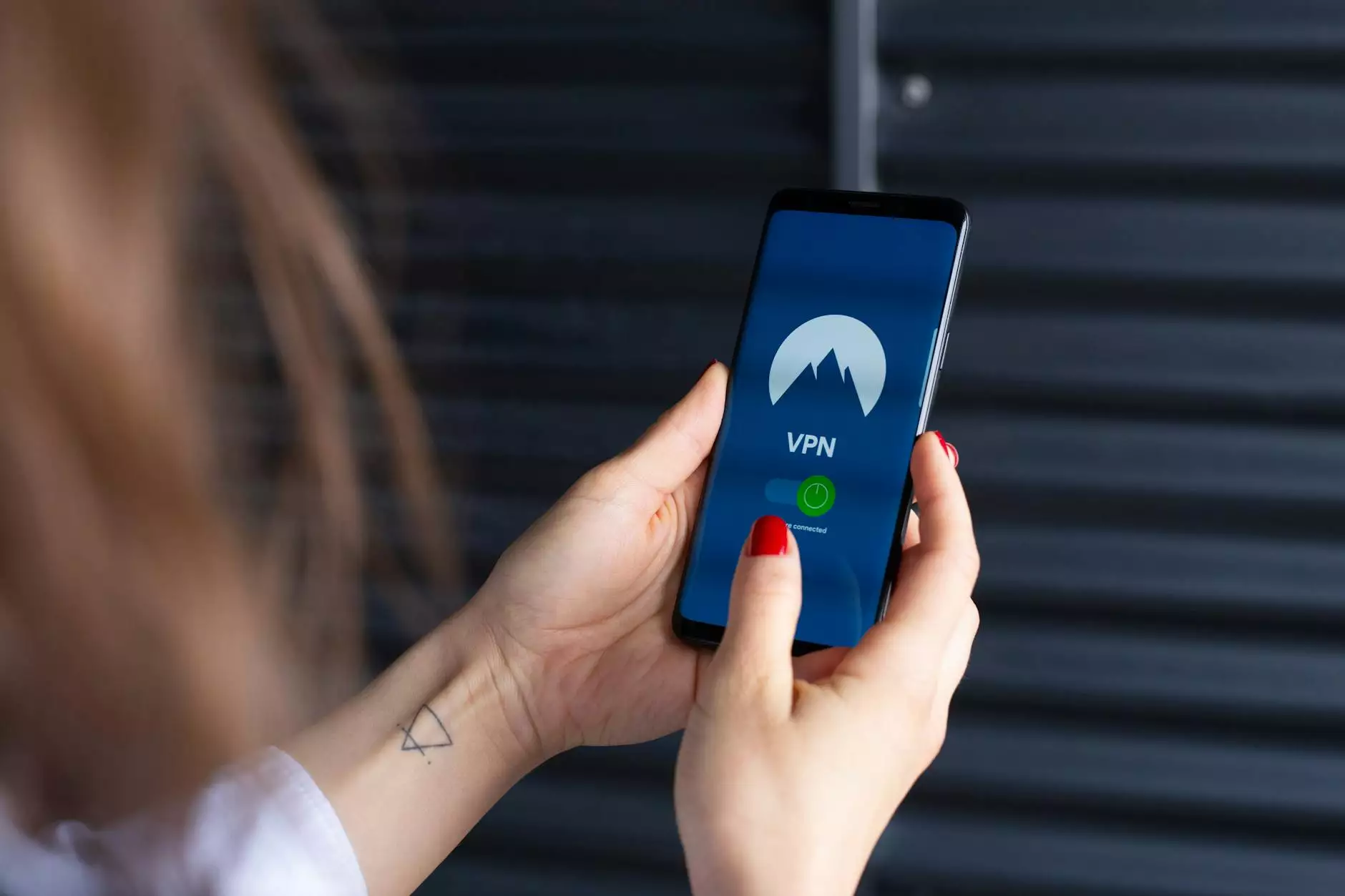
In today’s digital landscape, businesses are constantly under threat from cyber-attacks, particularly in the form of phishing and malware. These malicious tactics are not only damaging but can also lead to severe financial losses and reputational damage. This article aims to provide an extensive overview of the significance of effective phishing and malware protection, as well as practical strategies to implement within your business.
Understanding Phishing and Malware
What is Phishing?
Phishing refers to the fraudulent attempt to obtain sensitive information such as usernames, passwords, and credit card details by impersonating a trustworthy entity in electronic communications. Phishing typically occurs through emails, social media, or online messaging platforms. The attacker tricks the recipient into clicking a malicious link or opening an infected attachment.
The Threat of Malware
Malware, or malicious software, refers to any software intentionally designed to cause harm to a computer, server, client, or network. Types of malware include viruses, worms, Trojan horses, and ransomware. Malware can disrupt operations, steal sensitive data, or even hold files hostage for ransom.
The Importance of Phishing and Malware Protection
As cyber threats become increasingly sophisticated, the need for robust phishing and malware protection has never been more critical. Here are a few reasons why businesses must prioritize these protections:
- Protecting Sensitive Information: Businesses store sensitive data about clients, employees, and proprietary elements. A security breach can result in data loss and privacy violations.
- Avoiding Financial Loss: Successful phishing attacks and malware infections can lead to significant financial repercussions, from direct theft to costly recovery efforts.
- Maintaining Reputation: A company’s reputation is paramount. Security breaches can lead to a loss of customer trust, impacting long-term business relationships.
- Regulatory Compliance: Many industries are subject to regulations requiring strict data protection measures. Failing to protect against phishing and malware can lead to legal consequences.
Common Phishing Techniques
Understanding common phishing techniques can empower businesses to recognize and mitigate potential threats effectively. Some prevalent tactics include:
- Email Phishing: The most common form, where attackers send emails that appear to be from legitimate sources, prompting users to enter sensitive information on fake websites.
- Spearfishing: A targeted form of phishing aimed at specific individuals or organizations, using personalized information to make the attack more convincing.
- Whaling: Similar to spearfishing but focuses on high-profile targets like CEOs or other executive-level personnel, often involving highly personalized data.
- Vishing: Voice phishing involves using phone calls to trick individuals into providing sensitive information by impersonating financial institutions or reputable organizations.
- Smishing: SMS phishing targets users via text messages, luring them to click malicious links or disclose personal information.
Effective Malware Prevention Strategies
Along with phishing, safeguarding your business from malware should be a top priority. Here's how to prevent malware infections:
1. Install Reputable Antivirus and Anti-Malware Software
Implementing advanced antivirus solutions is critical. Ensure that the software you choose provides real-time protection, automatic updates, and comprehensive scanning capabilities. Regularly scan your systems to detect and remove any malicious software.
2. Regular Software Updates
Keep all systems and software up-to-date to protect against known vulnerabilities. Cybercriminals often exploit outdated software to gain unauthorized access. Enable automatic updates whenever possible to ensure the latest security patches are installed.
3. Employee Training and Awareness
Human error is a significant factor in phishing attacks. Providing comprehensive training for employees on identifying phishing attempts and understanding malware threats is crucial. Conduct regular workshops and tests to reinforce awareness and vigilance.
4. Implement a Firewall
A robust firewall serves as the first line of defense against unauthorized access. It monitors incoming and outgoing traffic and can block malicious connections. Ensure that your organization utilizes both hardware and software firewalls for maximum protection.
Creating a Phishing and Malware Protection Policy
To effectively protect your business, it is essential to establish a Phishing and Malware Protection Policy. This policy should outline the measures taken to prevent attacks and the procedures to follow in the event of a security breach.
Policy Considerations
- Risk Assessment: Regularly evaluate vulnerabilities within your organization to identify potential risks.
- Access Control: Implement strict access controls, ensuring that only authorized personnel can access sensitive data.
- Incident Response Plan: Develop a clear plan outlining how to respond to phishing or malware incidents, including communication strategies and recovery steps.
- Regular Audits: Conduct periodic audits of your security measures to ensure they are effective and up-to-date.
Investing in IT Services for Enhanced Security
Many businesses turn to IT service providers for expertise in phishing and malware protection. By partnering with professionals, your organization can benefit from a range of services, including:
- Security Assessments: IT services can provide comprehensive assessments to identify vulnerabilities and recommend solutions.
- Continuous Monitoring: Many IT providers offer continuous monitoring services to detect potential threats in real-time.
- Incident Response: In the event of a security breach, having expert help can drastically reduce the impact and recovery time.
- Training Programs: IT service providers can conduct training sessions for employees, ensuring they understand the latest phishing tactics and malware threats.
Conclusion: Proactive Protection is Key
Businesses today must recognize the importance of safeguarding against phishing and malware threats. By proactively implementing comprehensive security strategies and fostering a culture of awareness among employees, organizations can protect their sensitive information and maintain their reputations. Don't wait for an attack to occur; invest in robust phishing and malware protection today.
For more detailed guidance and professional assistance, consider reaching out to Spambrella, a leading provider of IT services and security systems equipped to help your business thrive in a secure environment.