Exploring the Healthcare Landscape: How Many Hospitals Are in Turkey?
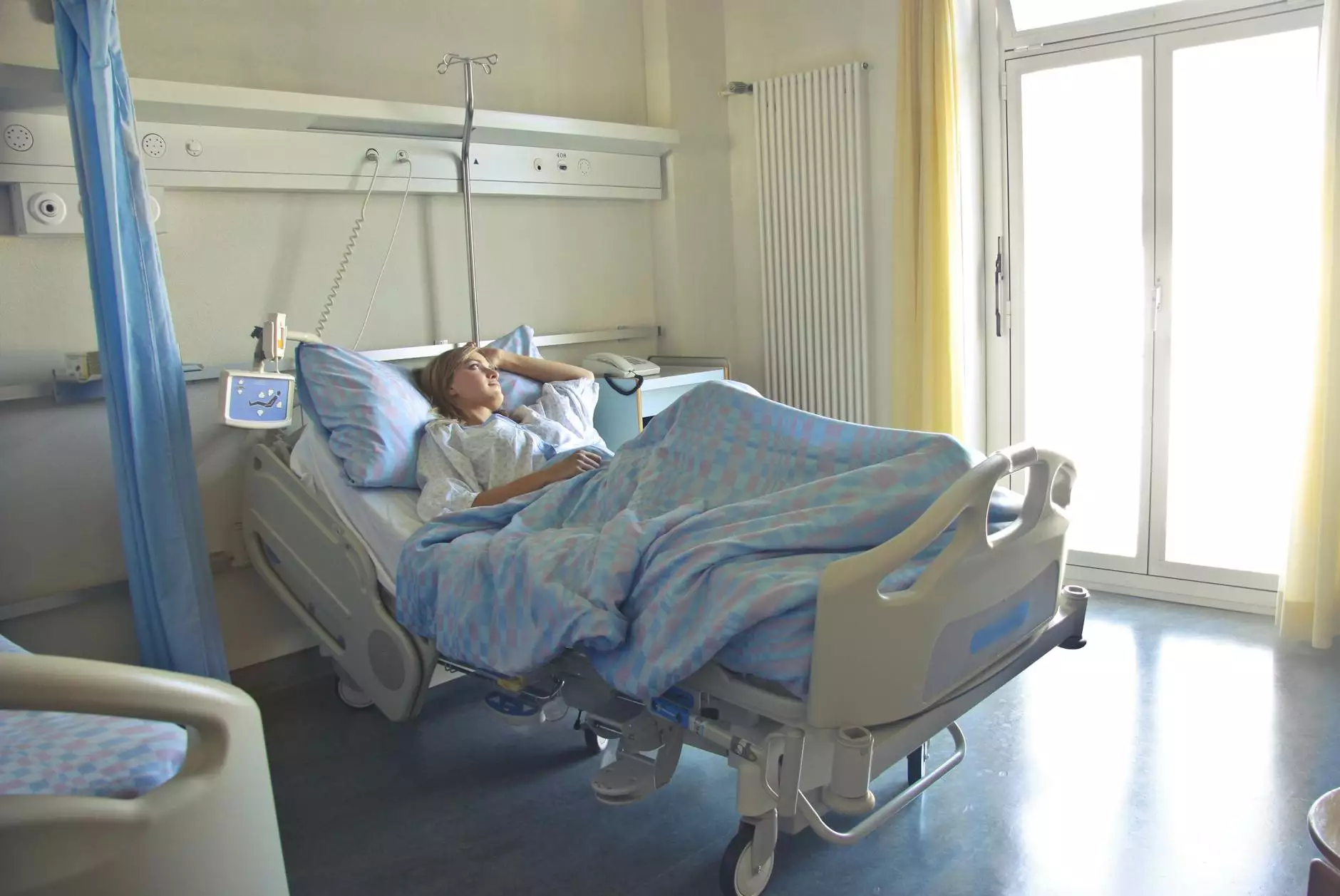
The healthcare system is a crucial component of any nation, as it directly impacts the well-being of its citizens. In Turkey, the healthcare landscape has undergone significant transformation over recent years, making it an attractive destination for both local and international patients. One of the core aspects of this system is the number and quality of hospitals available.
Understanding Turkey's Healthcare System
Turkey’s healthcare system has evolved dramatically over the last two decades. The government has invested heavily in healthcare infrastructure, leading to a significant increase in the number of hospitals. As of now, it is estimated that there are approximately 1,600 hospitals operating across Turkey. This figure includes both public and private medical institutions, providing a vast array of healthcare services to meet diverse patient needs.
Types of Hospitals in Turkey
Hospitals in Turkey can be classified into several categories based on their ownership, specialization, and the services they provide. Below are the primary types of hospitals found in Turkey:
- Public Hospitals: These are government-funded and cater primarily to the Turkish population, offering low-cost or free healthcare services.
- Private Hospitals: With higher standards of service and shorter waiting times, private hospitals attract both local and international patients, often providing specialized care.
- University Hospitals: These institutions are affiliated with medical schools and serve a dual purpose of providing care while educating future healthcare professionals.
- Specialized Hospitals: These focus on particular fields such as oncology, cardiology, or orthopedics, ensuring that patients receive expert treatment in their specific health issues.
- Research and Training Hospitals: These facilities are instrumental in advancing medical knowledge and technology, often participating in clinical trials and studies.
The Growth of Health Tourism in Turkey
Turkey has rapidly become a hub for health tourism, attracting thousands of international patients each year. The country's advanced medical facilities, combined with affordable treatment options, have made it a popular choice for those seeking high-quality healthcare outside their borders. This burgeoning sector has prompted further investment in healthcare facilities, leading to an increase in the number of hospitals available to meet growing demand.
The Benefits of Medical Tourism in Turkey
Choosing Turkey for medical treatment comes with numerous advantages. Here are a few reasons why patients from around the globe are flocking to Turkish hospitals:
- Cost-Effectiveness: Treatment costs in Turkey are significantly lower than in many Western countries, without compromising on quality.
- High Standards of Care: Many hospitals are accredited by international organizations, ensuring that they adhere to strict quality standards.
- Expertise and Innovation: Turkish healthcare professionals are well-trained, and many have extensive experience in their respective fields.
- Comprehensive Services: Hospitals offer a wide range of services, from cosmetic surgery to complex medical treatments.
- Accessibility: Modern facilities and a growing number of visa options make it easier for international patients to access treatments in Turkey.
Challenges Facing the Turkish Healthcare System
Despite the positive developments, Turkey's healthcare system faces several challenges that must be addressed:
- Overcrowding in Public Hospitals: Due to the low costs, public hospitals often experience high patient volumes, leading to longer wait times.
- Resource Allocation: Disparities in the distribution of healthcare resources can lead to varying levels of care across different regions.
- Insurance and Regulation Issues: The integration of private hospitals into the general healthcare system can complicate insurance coverage and regulatory compliance.
- Quality Control: As the number of hospitals increases, ensuring consistent quality across the board becomes crucial.
The Future of Hospitals in Turkey
The future of hospitals in Turkey looks promising as the government continues to prioritize healthcare improvements. Planned investments include:
- New Hospital Constructions: The government is actively planning the construction of new hospitals, particularly in underserved areas.
- Technological Advancements: Investments in telemedicine and healthcare technologies aim to improve patient care and expand services.
- Public-Private Partnerships: Collaborations between the government and private sector are expected to enhance service delivery and quality.
- Training and Development: Increasing focus on the continual training of healthcare professionals to keep them updated with the latest medical practices.
How Many Hospitals Are in Turkey?
As we delve into the numbers, it is essential to understand that the exact number of hospitals can fluctuate due to new constructions, closures, and changes in medical regulations. However, current estimates suggest that Turkey boasts around 1,600 hospitals nationwide. This comprehensive network is crucial for providing healthcare access to a growing population and catering to an increasing number of medical tourists.
Conclusion
In summary, Turkey's healthcare system is a dynamic environment characterized by a diverse range of hospitals that cater to various needs, both for its citizens and international patients. With approximately 1,600 hospitals, Turkey is not only making strides in domestic healthcare but is also carving a niche for itself in the global health tourism market. While challenges remain, ongoing improvements and investments in the healthcare sector hold great promise for the future.
For those considering medical treatment abroad, Turkey offers a compelling option worth exploring. With the right balance of quality care, accessibility, and affordability, it's easy to see why so many are asking, how many hospitals are in Turkey? The answer is both simple and complex, reflecting the rapid growth and development of this vibrant healthcare system.