How to Mix Semaglutide and Bacteriostatic Water: A Comprehensive Guide
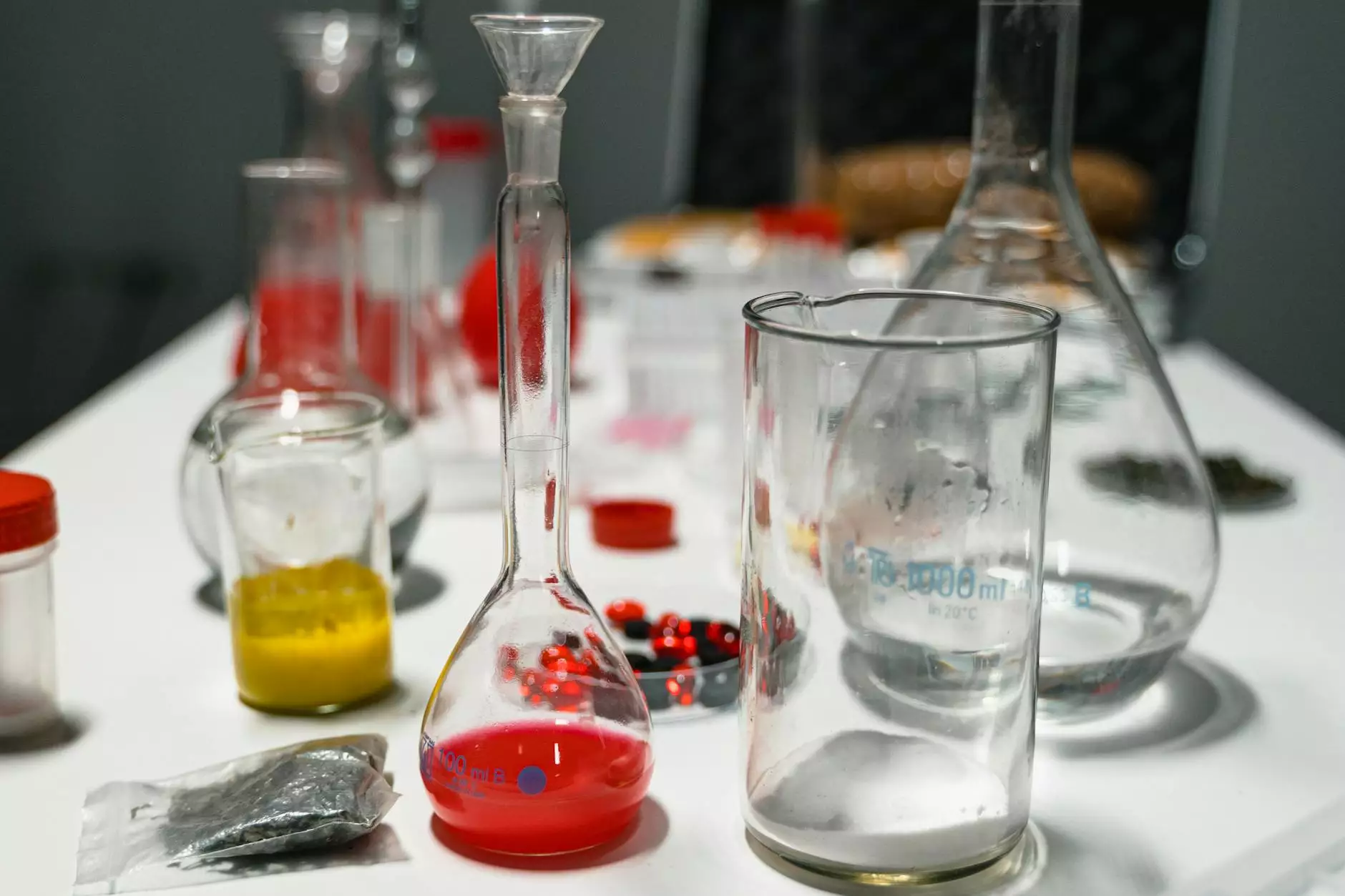
In recent years, semaglutide has emerged as a groundbreaking medication in the field of weight loss and chronic disease management, particularly for individuals battling obesity and related health issues. As more people turn to semaglutide for its efficacy in weight management and metabolic control, understanding the process of mixing it with bacteriostatic water has become essential. This article delves into the intricate details of how to mix semaglutide and bacteriostatic water, providing a thorough, step-by-step guide that promotes safety and effectiveness.
Understanding Semaglutide
Semaglutide is a glucagon-like peptide-1 (GLP-1) receptor agonist that plays a crucial role in managing blood sugar levels and promoting weight loss. Originally developed for managing diabetes, its remarkable weight loss benefits have led to its adoption in obesity management. In clinical studies, semaglutide has demonstrated impressive efficacy, allowing users to achieve significant weight loss results.
What is Bacteriostatic Water?
Bacteriostatic water is a sterile water solution containing a small amount of benzyl alcohol, which acts as a preservative. This type of water is frequently used in medical applications to dilute or dissolve medications before injection. The bacteriostatic property helps prevent bacterial growth, which is crucial for maintaining the integrity of medications like semaglutide.
Why You Need to Mix Semaglutide with Bacteriostatic Water
When semaglutide is available in powder form, it needs to be reconstituted with a suitable solvent, such as bacteriostatic water. This ensures that the medication is in a liquid form suitable for injection, maintaining its effectiveness and ensuring patient safety. Proper mixing is vital to prevent issues such as contamination or reduced efficacy of the medication.
Materials Needed for Mixing
Before starting the mixing process, gather the following materials:
- Semaglutide vial (lyophilized powder).
- Bacteriostatic water vial.
- Alcohol swabs (for sanitation).
- Syringe (ideally with a 1 mL or 3 mL capacity).
- Needle (if required for withdrawal).
- Sharps container (for safe disposal).
Step-by-Step Guide: How to Mix Semaglutide and Bacteriostatic Water
Step 1: Sanitation is Key
Start by ensuring your hands are clean. Wash them thoroughly with soap and water. Once dry, use an alcohol swab to clean the tops of both the semaglutide and bacteriostatic water vials. This minimizes the risk of contamination.
Step 2: Preparing the Syringe
Draw up the appropriate amount of bacteriostatic water into the syringe. The typical recommendation is to use 1 to 2 mL of bacteriostatic water, but refer to the specific instructions provided with your semaglutide for exact measurements.
Step 3: Mixing the Solution
With the syringe prefilled with bacteriostatic water, carefully insert the needle into the semaglutide vial. Aim for the side of the vial, rather than the center. This helps to create a gentle flow of the water, allowing for smooth mixing. Slowly inject the bacteriostatic water into the vial.
Step 4: Swirling to Dissolve
After injecting the bacteriostatic water, gently swirl the vial. Avoid shaking it vigorously, as this can cause foaming and may degrade the semaglutide. Continue swirling until the powder is completely dissolved, resulting in a clear solution.
Step 5: Drawing the Mixed Semaglutide
After the semaglutide is fully dissolved, draw up the newly mixed solution into the syringe. Be sure to expel any air bubbles by tapping the syringe and pushing the plunger gently until a droplet appears at the tip.
Step 6: Storage and Administration
If you are not using the mixture immediately, store the vial in the refrigerator as per the manufacturer's recommendations. When ready to administer, ensure that the solution is at room temperature for a more comfortable injection experience. Always use a new, sterile syringe for each injection.
Safety Precautions
Mixing semaglutide with bacteriostatic water is a straightforward process, but adherence to safety protocols is critical. Here are key safety tips to consider:
- Do not use expired medications. Always check the expiration dates on your semaglutide and bacteriostatic water.
- Avoid contamination. Never touch the syringe needle or the vial tops with your hands.
- Dispose of all needles and syringes in a designated sharps container.
- Consult with a healthcare provider if you have any questions or concerns about the mixing process or the administration of semaglutide.
Common Questions About Mixing Semaglutide
1. Can I Use Other Types of Water?
No, it is crucial to use only bacteriostatic water for mixing with semaglutide. Other types of water, such as distilled or tap water, can introduce impurities or lead to ineffective treatment.
2. How Long Can I Store the Mixed Solution?
The mixed semaglutide solution should generally be stored in the refrigerator and used within a certain time frame, typically within 30 days. Be sure to follow the specific guidelines provided by your healthcare professional or the product insert.
3. What Should I Do If I Notice Changes in the Mixed Solution?
If you notice any discoloration, cloudiness, or change in consistency in the mixed semaglutide solution, do not use it. Safely dispose of the solution and consult your healthcare provider.
Conclusion
Mastering how to mix semaglutide and bacteriostatic water is a critical skill for those looking to harness the benefits of this powerful medication for weight loss and chronic disease management. By following the outlined steps and maintaining safe practices, individuals can ensure effective and safe administration of semaglutide, paving the way for better health outcomes. Always prioritize your health by consulting healthcare professionals regarding any concerns about the mixing and administration process.
For those striving for a healthier lifestyle through weight loss, understanding this process is a significant first step on that journey. Remember, your health is worth protecting, and every detail counts in your path to achieving your wellness goals.