Understanding Counterfeit US Money: Risks, Detection, and Prevention
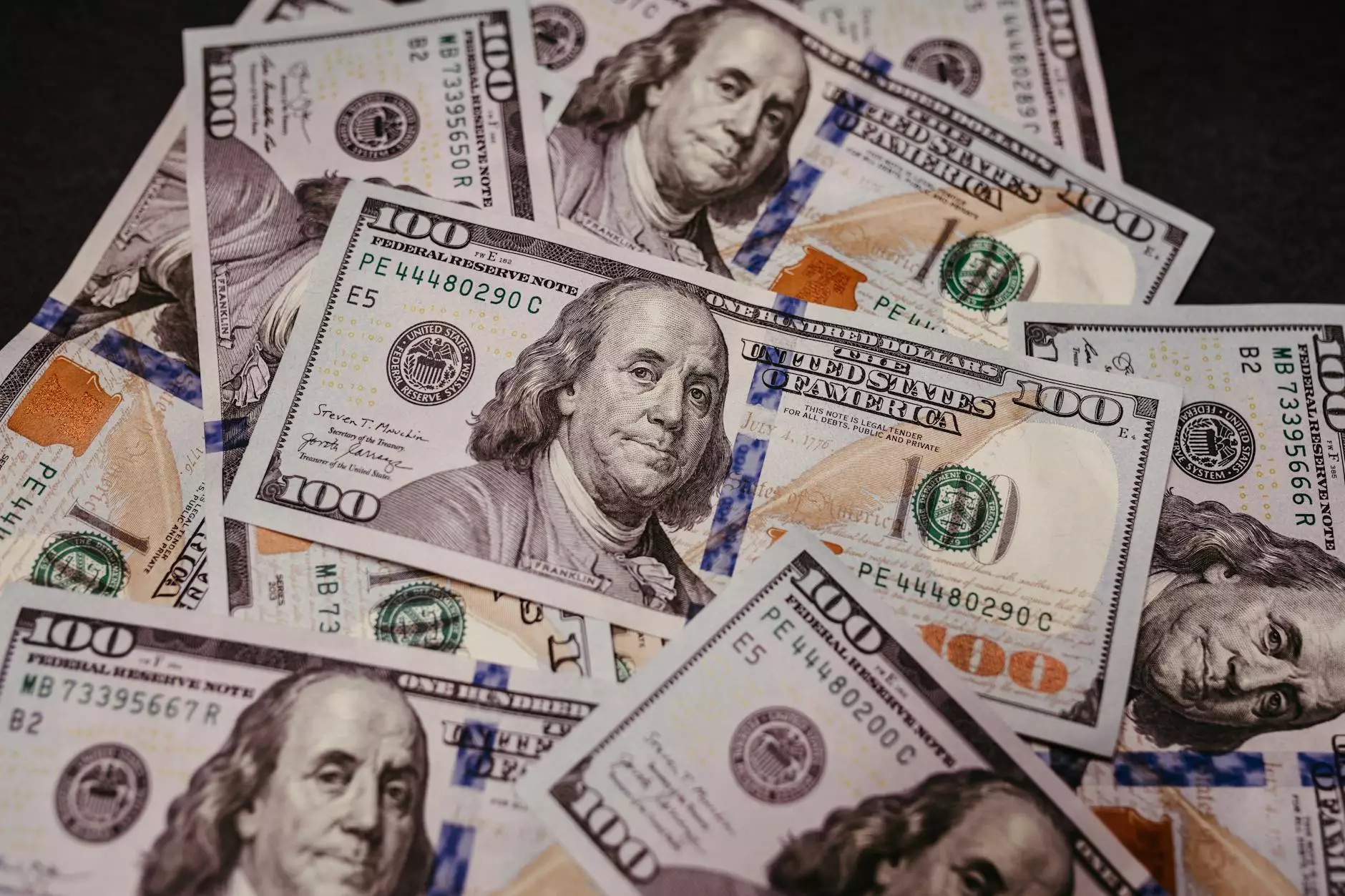
Counterfeit US money continues to be a significant issue affecting businesses and consumers alike. With the advancement of technology, the methods of producing fake currency have become more sophisticated, making it imperative for individuals and businesses to stay informed about the risks, detection techniques, and prevention methods.
The Impact of Counterfeit US Money on Businesses
The presence of counterfeit money can have dire consequences for businesses. When a transaction involves fake currency, the merchant loses not just the value of the currency accepted but also the profit margin on the sale. The ripple effects of accepting counterfeit bills include:
- Financial Loss: Businesses face immediate financial impacts from accepting fake currency.
- Reputational Damage: Trust issues may arise among customers if a business is known to accept counterfeit bills.
- Legal Consequences: In some cases, businesses may face legal ramifications if they fail to report counterfeit activity.
Recognizing Counterfeit US Money
Detecting counterfeit US money involves being aware of specific features that differentiate genuine notes from fakes. Notably, every denomination has distinct characteristics that can be utilized for verification:
Key Features of Genuine Currency
Here are several essential features you should look for:
- Watermark: Genuine US dollars have a watermark that is visible from both sides when held up to the light.
- Security Thread: A thin security thread runs through the bill and glows under UV light.
- Color-Shifting Ink: The number in the lower right corner of the bill changes color when viewed from different angles.
- Microprinting: Small text that appears in specific areas of the bill is hard to replicate.
- Quality of Print: Genuine currency has high-quality printing that is sharp and clear, while counterfeit bills may appear blurry.
Methods of Detecting Counterfeit US Money
There are various methods businesses and individuals can adopt to detect fake currency. Here are some prominent techniques:
Use of Technology
With the rise of technology, detecting counterfeit currency has become easier:
- Counterfeit Detection Pens: These pens work by reacting with the starch in paper. Genuine currency is made with a different composition that won’t change color.
- UV Light Detectors: Many counterfeit bills do not have security features that respond to UV light, making this device highly effective.
- Magnifying Glasses: Utilizing a magnifying glass can help spot microprinting that may be missing on counterfeit notes.
Manual Inspection Techniques
In addition to technology, training staff to recognize counterfeit bills through manual inspection is crucial. Encourage employees to:
- Feel the Texture: Genuine currency has a unique texture due to the printing process.
- Check for Features: Always look for the distinguishing features mentioned earlier.
- Examine the Serial Numbers: All genuine bills should have the same serial letters, and they should follow a consistent numbering style.
Legal Aspects of Counterfeit Currency
Engaging with counterfeit currency carries legal implications. The laws surrounding counterfeit money are strict, and involvement in producing or distributing such currency can lead to severe penalties:
- Federal Offense: Counterfeiting is a federal crime punishable by hefty fines and imprisonment.
- Forfeiture of Assets: Individuals convicted of counterfeiting may lose assets obtained through illegal activities.
- Restitution: Offenders often must pay restitution to victims who suffered financial losses due to their actions.
Best Practices for Prevention
Businesses can take proactive measures to prevent the circulation of counterfeit US money. Here are some effective strategies:
- Staff Training: Regularly train employees on how to identify counterfeit bills and respond appropriately.
- Install Security Features: Use security cameras and cash handling equipment that includes counterfeit detection.
- Daily Deposits: Conduct daily cash deposits to minimize the amount of cash on hand, thus reducing the risk of loss from counterfeit bills.
The Role of Law Enforcement
Law enforcement agencies play a vital role in combating counterfeiting. They work tirelessly to:
- Investigate Counterfeiting Cases: Local, state, and federal agencies collaborate to investigate counterfeiting incidents.
- Educate the Public: Law enforcement often runs campaigns to educate the public about recognizing counterfeit currency and reporting suspicious activity.
- Enforce the Law: They enforce laws against counterfeiting and help prosecute those responsible.
How Technology is Changing the Face of Currency
With the evolving landscape of currency, the rise of digital currencies and contactless payments are changing how we think about money. Although counterfeit US money remains a problem, the shift to digital currency offers potential solutions:
- Reduced Physical Currency Use: As fewer transactions rely on cash, there are fewer opportunities for counterfeiting.
- Blockchain Technology: The use of blockchain technology enhances the security of digital transactions, making counterfeiting of digital currency nearly impossible.
- Smart Payment Solutions: Innovations in payment methods include encryption and authentication protocols that further protect against fraud.
Conclusion
Having a strong understanding of counterfeit US money—from its impact on businesses to detection methods and legal consequences—is essential for everyone. By adopting effective prevention strategies and leveraging technology, businesses and individuals can minimize their risk and protect their assets. Staying informed is the key to navigating the challenges posed by counterfeit currency in today’s economy.
For more information, visit HighTecLab and explore our resources on face currency, counterfeit money, fake documents, and more.