Understanding Air Freight Costs: A Comprehensive Guide to Air Freight per kg
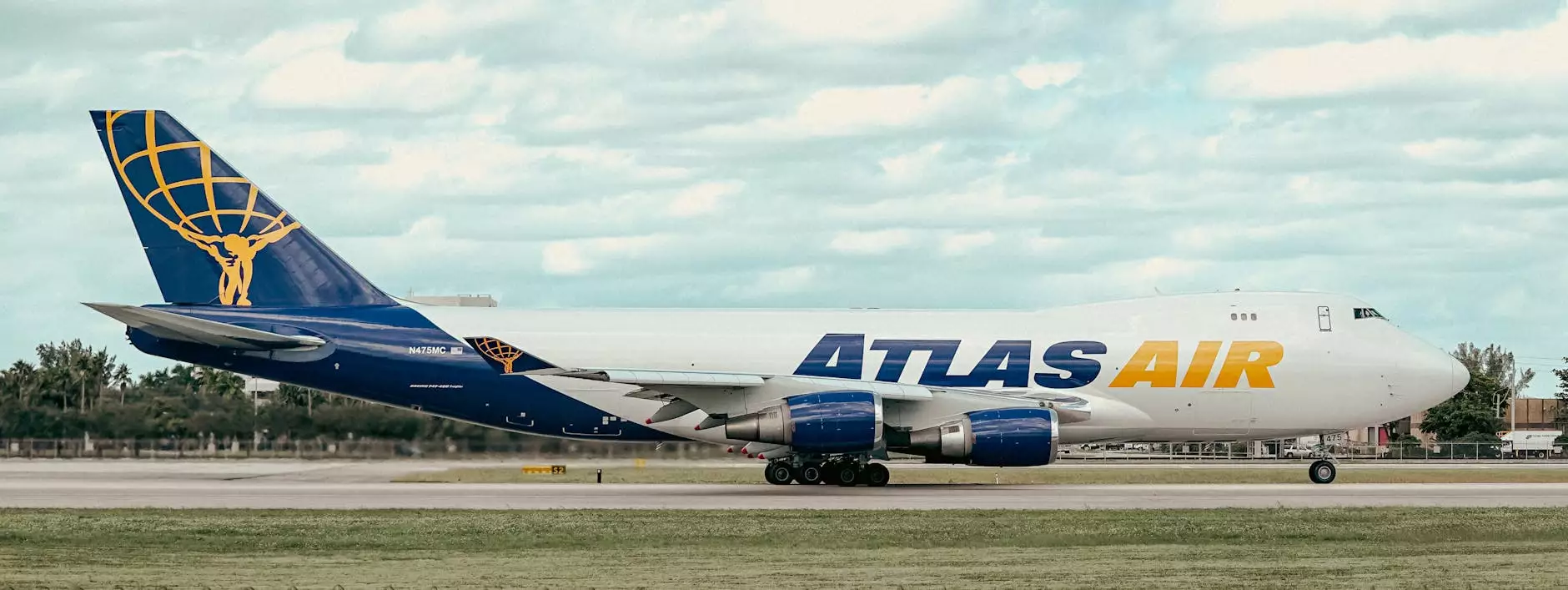
The globalized economy has transformed international trade, significantly impacting how businesses manage logistics and transport. Among the various methods of shipping goods, air freight stands out as a fast and efficient option. This article delves into the intricacies of air freight per kg, examining what influences these costs, the benefits of air shipping, and expert tips on selecting the best freight service.
What Is Air Freight?
Air freight refers to the transportation of goods via air carriers, providing one of the swiftest methods for international shipping. Renowned for its speed, air freight is crucial for businesses that require timely delivery of products. Companies operating in industries such as e-commerce, pharmaceuticals, and electronics particularly benefit from utilizing air freight services, as they often contend with product lifecycles that demand rapid delivery.
The Importance of Air Freight in Global Trade
The role of air freight in global trade cannot be understated. It contributes significantly to international commerce and is particularly vital for the following reasons:
- Speed: Air freight is the fastest mode of transport, reducing delivery times significantly compared to sea or land freight.
- Reliability: Air carriers adhere to strict schedules, ensuring predictable delivery times.
- Security: Air cargo shipments are tightly monitored, which decreases the risk of theft or damage.
Factors Affecting Air Freight Costs
The cost of air freight per kg varies based on several factors. Understanding these can aid businesses in budgeting and selecting appropriate shipping options:
1. Weight and Volume
In air freight, shipping costs are primarily calculated based on weight and volume. This concept is known as the "chargeable weight," which is determined by comparing the actual weight of the cargo with its volumetric weight. Hence, it’s crucial to have precise measurements to avoid unexpected charges.
- Actual Weight: The total weight of the cargo as measured on a scale.
- Volumetric Weight: Calculated using the formula: Length x Width x Height (in cm) / 5000.
2. Distance and Route
Shipping costs also depend on the distance between the origin and destination. More remote locations or less frequented routes often incur higher prices. Additionally, the freight charges may vary depending on if the flight is direct or involves multiple stops.
3. Type of Cargo
Different types of cargo attract varying charges. For example, perishable goods, high-value items, or hazardous materials may command different rates due to the extra care and speed required in handling and shipping.
4. Seasonal Demand
Air freight rates can fluctuate based on market demand. During peak shipping seasons, such as the holiday period, pricing may increase due to heightened demand and limited cargo space.
Understanding Air Freight Pricing Models
Knowing how air freight pricing works can greatly assist businesses in optimizing their shipping strategies. Here’s a breakdown of common pricing models:
1. Base Rate + Fuel Surcharge
Most air freight service providers use a pricing model that includes a base rate for shipping, plus an additional fuel surcharge that adjusts according to current fuel prices. This ensures that carriers can cover their operational costs even as external conditions change.
2. Weight-Based Pricing
In this model, shipping costs are determined based on the weight of the cargo. It’s essential for businesses to have accurate weight measurements to avoid overpaying. Always quantify your products to understand how they will affect your overall freight costs.
The Benefits of Choosing Air Freight
Businesses often opt for air freight due to its numerous advantages:
- Speed: As stated earlier, air freight is the fastest mode of transport, ideal for urgent shipments.
- Less Handling: Air freight generally involves minimal handling, reducing the likelihood of damage.
- Global Reach: Access to major airports worldwide allows for extensive shipping options.
- Insurance: Air cargo is often covered by comprehensive insurance policies, providing peace of mind.
How to Choose the Right Air Freight Service
Selecting the appropriate air freight carrier can be challenging, but focusing on key criteria can help streamline the decision-making process:
1. Reputation and Reliability
Research potential freight carriers by checking reviews, ratings, and industry reputation. Reliable services not only ensure timely deliveries but also provide support in case of unforeseen disruptions.
2. Pricing Transparency
Choose carriers that provide clear and transparent pricing models. Hidden charges can lead to unexpected costs, so it's essential to ask about all potential fees upfront.
3. Customer Service
Effective communication with the freight provider is crucial. Look for carriers known for exceptional customer service that can assist you in navigating challenges during shipping.
Conclusion
To wrap up, air freight per kg presents an efficient solution for businesses aiming to deliver their products in a timely and reliable manner. By understanding the factors influencing pricing, recognizing the benefits of air freight, and knowing how to select the best service, companies can significantly enhance their logistics strategy. At cargobooking.aero, we are committed to providing businesses with seamless air freight services tailored to their specific needs, ensuring they have the competitive edge in today’s fast-paced market.
Additional Resources
For more information on air freight and how it can benefit your business, consider exploring the following resources:
- Our Air Freight Services
- Get a Quote Today
- Read Our Blog for More Insights