The Ultimate Guide to Green Lawn Maintenance
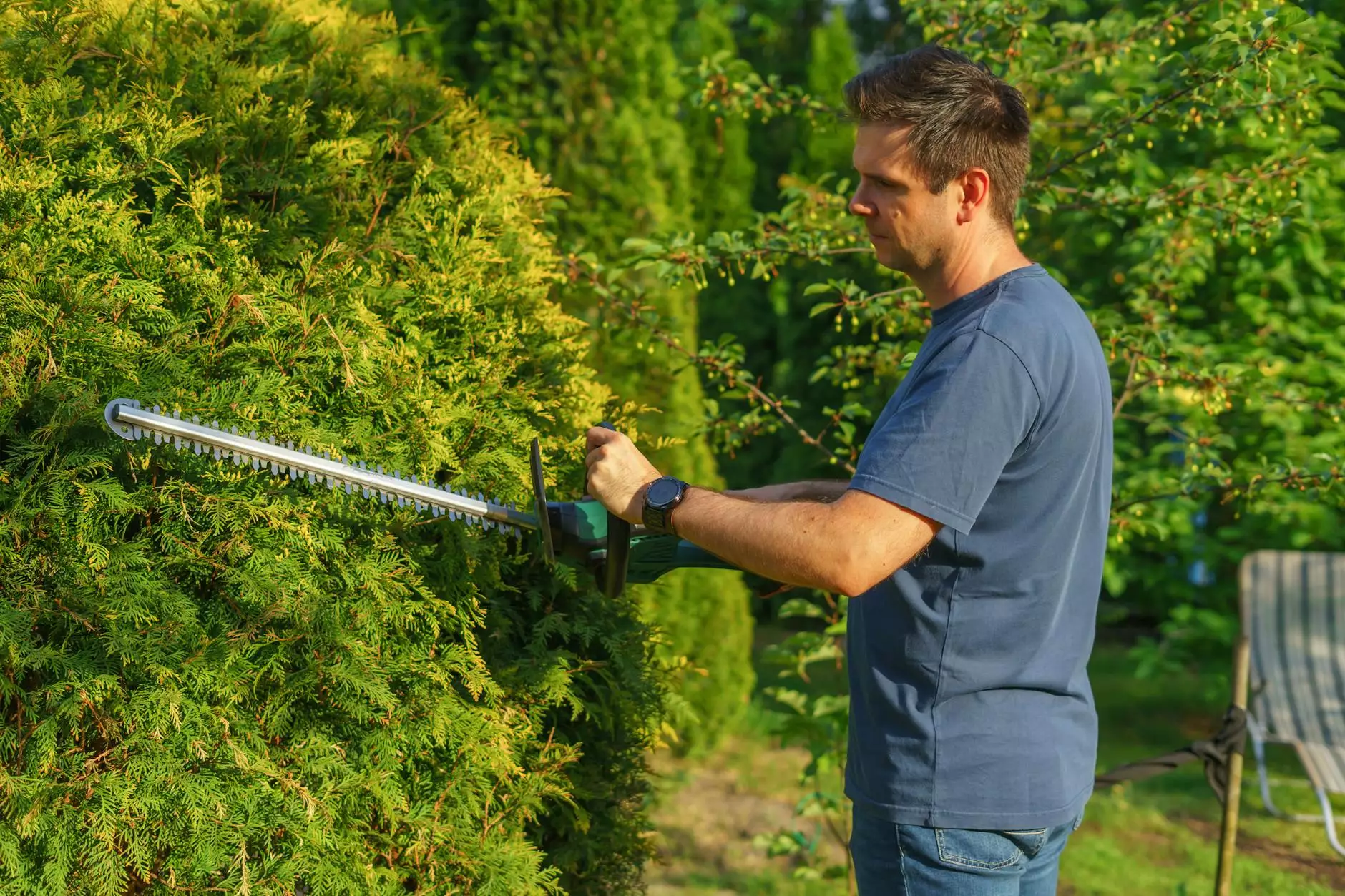
Green lawn maintenance is more than just keeping your grass cut; it’s about fostering a thriving ecosystem that enhances your home and environment. A well-maintained lawn can boost curb appeal, provide a space for relaxation and recreation, and even increase property value. This comprehensive guide will delve into various aspects of green lawn maintenance to help you achieve the lawn of your dreams.
Understanding Your Lawn
Before diving into maintenance routines, it’s vital to understand the types of grass in your lawn and their specific needs. Common grass types include:
- Bermudagrass: A warm-season grass that thrives in sunny areas, ideal for southern regions.
- Fescue: A cool-season grass that grows well in the northern regions, renowned for its shade tolerance.
- Kentucky Bluegrass: Another cool-season option known for its lush appearance and resilience.
- Ryegrass: Quick to germinate and excellent for overseeding.
The Importance of Soil Health
Healthy soil is the foundation of any green lawn maintenance strategy. Here’s how to ensure your soil is in top condition:
Soil Testing
Conducting a soil test can provide crucial information about pH levels, nutrient content, and organic matter. You can purchase a soil testing kit from a garden center or hire a professional service.
Improving Soil Structure
Add organic matter such as compost or well-rotted manure to improve the soil structure, enhance drainage, and add essential nutrients.
pH Levels
The ideal pH level for most grasses is between 6.0 and 7.0. You can adjust your soil pH by adding lime (to increase pH) or sulfur (to decrease pH).
Watering Practices for a Thriving Lawn
Water is critical for grass growth, but the timing and quantity of watering are crucial components of green lawn maintenance. Here are some guidelines:
Watering Schedule
Water your lawn deeply but infrequently. Aim for about 1 to 1.5 inches of water per week, either from rainfall or irrigation. It's best to water early in the morning to minimize evaporation and fungal growth.
Signs of Underwatering and Overwatering
Recognize the signs of stressed grass:
- Underwatering: Grass blades will appear wilted, and footprints remain visible for an extended time.
- Overwatering: Grass turns yellow and becomes spongy underfoot, which may indicate root rot.
Fertilization Strategies
Regular fertilization is key to promoting a vibrant green lawn. Here’s how to do it effectively:
Choosing the Right Fertilizer
Select a fertilizer based on your soil test results. Look for a balanced fertilizer that contains nitrogen (N), phosphorus (P), and potassium (K), commonly labeled as N-P-K ratios.
Application Timing
Apply fertilizer in early spring and early fall for cool-season grasses, and during late spring for warm-season grasses. Follow the recommended rates to avoid burning the grass.
Organic vs. Synthetic Fertilizers
Consider using organic fertilizers to promote long-term soil health and minimize chemical runoff into waterways. However, synthetic fertilizers can offer faster results.
Mowing Techniques for a Healthier Lawn
Mowing is an essential part of green lawn maintenance. Proper mowing techniques can significantly impact your lawn’s health and appearance.
Mowing Height
Always mow at the recommended height for your grass type. Generally, keeping grass at a height of 2.5 to 3.5 inches promotes deeper root systems and enhances drought resistance.
Mowing Frequency
Adjust your mowing frequency based on growth rates during different times of the year. During the growing season, you may need to mow once a week. Always use sharp blades to make clean cuts, reducing stress on the grass.
Aeration and its Benefits
Aerating involves perforating the soil with holes to allow air, water, and nutrients to penetrate deeper into the soil. Here’s why it’s crucial:
Compacted Soil
Compacted soil can restrict root growth and water absorption. Aeration alleviates compaction and promotes healthier grass.
When to Aerate
The best times to aerate your lawn are in the spring or fall when your grass is actively growing. Use a core aerator for the best results.
Pest and Disease Control
Maintaining a green lawn also involves monitoring for pests and diseases. Here are some solutions:
Identifying Pests
Common lawn pests include grubs, chinch bugs, and billbugs. Regularly inspect your lawn for signs of infestation.
Natural Pest Control
Implementing organic pest control methods, such as introducing beneficial insects like ladybugs, can help keep your lawn pests under control.
Weed Management Strategies
Weeds can quickly take over a lawn, outcompeting grass for resources. Here’s how to manage them effectively:
Preventative Measures
A healthy lawn is your best defense against weeds. Proper watering, fertilization, and mowing all contribute to a dense turf that can choke out weeds.
Selective Herbicides
If weeds become a problem, spot-treat them with selective herbicides that target weeds without harming grass. Always follow the manufacturer’s instructions for usage.
Seasonal Lawn Care Checklist
Following a seasonal checklist can streamline your green lawn maintenance efforts:
Spring
- Conduct soil testing.
- Fertilize the lawn.
- Aerate your lawn.
- Begin mowing regularly.
Summer
- Water deeply, especially during dry spells.
- Apply pest and weed control as needed.
- Continue regular mowing.
Fall
- Fertilize for winter hardiness.
- Overseed to fill in bare patches.
- Conduct another round of aeration if necessary.
winter
- Prepare your lawnmower for winter storage.
- Remove debris and keep the lawn clear.
- Plan for spring improvements and repairs.
Conclusion
With a commitment to consistent practices in green lawn maintenance, you can transform your yard into a stunning oasis. The combination of understanding your lawn’s needs, effective watering, fertilization, mowing, and pest management will lead you to a thick, green lawn that enhances your property’s beauty. Don't forget to visit CISCON Landscaping for expert guidance, services, and products specifically tailored to elevate your lawn care experience.
By utilizing the tips and strategies outlined in this article, you can ensure your lawn remains healthy and vibrant throughout the seasons. Happy gardening!